

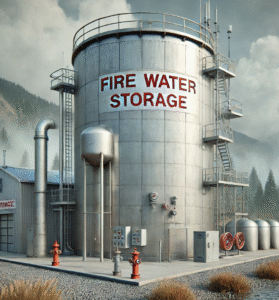
In an increasingly digital world, businesses of all kinds are discovering that e-commerce isn’t just for consumer goods or fashion. Even industrial or infrastructure products—like fire water tanks—can reap significant benefits from a smart online presence. A Fire Water Tank business (whether manufacturing, supplying, or servicing) has many opportunities to expand reach, streamline operations, and deepen customer relationships by harnessing e-commerce strategies. In this article, we’ll explore how e-commerce can help a Fire Water Tank business grow, what challenges to anticipate, and best practices to succeed in this niche market.
The Case for E-Commerce in the Fire Water Tank Industry
For many industrial supply sectors, traditional sales methods—face-to-face meetings, trade shows, local distributors—still dominate. But the shift toward digital procurement is real, even in industrial and safety infrastructure sectors. Consider a few high-level trends:
-
E-commerce now captures over 16 % of total U.S. retail sales, and its influence continues to expand beyond typical “consumer” categories. PYMNTS.com
-
Digital commerce is reshaping B2B procurement processes: buyers expect product details, lead times, and quoting capability online.
-
In adjacent sectors (e.g. plumbing, water systems, fire safety equipment), businesses are launching specialized online storefronts, marketplaces, and content hubs to attract clients actively researching solutions.
-
Trends such as social commerce, mobile-first purchasing, AI-driven personalization, and seamless checkout are shaping expectations across verticals. Taboola.com+1
For a Fire Water Tank business, adopting e-commerce can mean:
-
Broader geographic reach — selling (or quoting) online allows you to reach customers beyond your local region or sales network.
-
Lower cost of sale / more efficient lead capture — online tools can help qualify leads, automate parts of quoting, and reduce back-and-forth overhead.
-
Better transparency & trust — providing specs, certifications, past project photos, and testimonials can help buyers feel more confident, especially with high-cost, safety-critical products.
-
Stronger recurring revenue / service cross-sell — offering spare parts, monitoring systems, maintenance contracts, or sensors via an online channel can deepen customer lifetime value.
-
Data and analytics insights — tracking what products or tank sizes are most viewed, or which industries are requesting quotes, helps guide product development and marketing.
With those benefits in mind, let’s dig into how to make e-commerce work well for a Fire Water Tank operation.
Key Strategies for Launching E-Commerce for Fire Water Tanks
Understand Buyer Personas and Purchase Journeys
Fire water tanks are a niche, technical product. The decision makers might include fire safety consultants, municipal planners, industrial facility engineers, general contractors, or building owners. Their journey typically involves:
-
Researching standards, certifications, and compliance (e.g. NFPA codes)
-
Comparing capacity, materials (steel, fiberglass, concrete), installation cost
-
Requesting custom design or sizing
-
Evaluating long-term maintenance and warranties
Your e-commerce solution needs to accommodate these technical, high-touch, consultative buying patterns. It can’t just be “click to buy.” You may need:
-
Online configurators or calculators (e.g. input site pressure, required fire flow, elevation)
-
Request-a-quote flows rather than fixed pricing
-
Rich specification sheets, 3D renderings, and downloadable CAD files
-
A content hub (blog, FAQ, white papers) that builds authority and supports buyers in early research stages
Platform Choice: B2B Capabilities and Flexibility
Choosing the right e-commerce platform is critical. For a Fire Water Tank business, the ideal platform should support:
-
Complex product catalogs or configurable SKUs
-
Integration with your ERP or CRM for inventory, pricing, quoting
-
Multiple user roles (e.g. internal sales, engineers, distributors)
-
APIs / headless commerce support so you can adapt front ends or integrate with external systems Wikipedia
-
Scalability, security, and reliability
You might consider B2B-friendly platforms (e.g. Magento Commerce, Shopify Plus, BigCommerce B2B, or headless commerce frameworks) and customize them to showcase technical assets (CAD, performance curves, compliance docs).
Pricing Strategy and Quoting Logic
Unlike typical retail, pricing in this industry often involves customization, material costs, shipping, permit compliance, and regional labor. Some approaches:
-
Offer base models or standardized tank sizes with published prices, to give buyers a reference point
-
Enable variable pricing or markup fields to handle custom specs
-
Use tiered or volume discounts for bulk orders
-
Incorporate shipping and installation cost estimators
-
Automate “request quote” workflows where necessary
The goal is to strike a balance between transparency (so buyers trust your offering) and flexibility (so you don’t commit to infeasible configurations).
Content, SEO, and Thought Leadership
To attract qualified traffic to your site, you’ll need content that addresses the real questions of fire safety, tank performance, and regulatory compliance. Some content ideas:
-
“How to size a fire water tank for industrial buildings”
-
Case studies of successful installations
-
Comparison of tank materials (steel vs fiberglass vs concrete)
-
Maintenance checklists and inspection protocols
-
Industry news on fire standards or regulations
By building a content library, you can improve SEO, educate prospects, and position your business as an authority. (See general best practices for e-commerce SEO in sites like Search Engine Land) Search Engine Land
Marketing Channels and Lead Generation
Once your site is built, you’ll need to drive traffic and attract leads. Some effective channels:
-
PPC / paid search targeting keywords like “fire water tank supplier,” “fire protection water storage,” etc.
-
LinkedIn and industry publications advertising to engineers, contractors, municipalities
-
Trade shows and webinars promoting your online configurator or quoting tool
-
Partnerships / OEM networks linking to your online portal
-
Email nurturing of leads who have requested quotes or downloaded documents
With these channels, the e-commerce site serves both as a storefront and a lead generation engine.
After-Sales, Service, Upsell & Subscription Models
One often overlooked advantage of e-commerce in industrial sectors is enabling after-sales and recurring revenue:
-
Sell spare parts, valves, sensors, replacement nozzles, and fittings through the same portal
-
Offer maintenance contracts or inspections (customers subscribe)
-
Provide firmware or software updates (if your tanks include monitoring)
-
Send automated reminders to customers whose tanks may require inspection or replacement
This approach maximizes lifetime value and helps smooth cash flow.
Logistics, Shipping & Installation Integration
A fire water tank is bulky, heavy, and often site-installed. E-commerce success demands:
-
Integration with freight/shipping carriers or LTL providers
-
Quoting or estimating site delivery costs
-
Connecting with local installers or partner contractors
-
Providing tracking of shipments or project phases
-
Managing lead times transparently
A good e-commerce setup will not promise “overnight shipping” but set expectations (e.g. “shipment in 8–12 weeks, plus site prep lead time”) and allow buyers to track progress.
Challenges and Mitigation
No transformation is without risks. Some common challenges and how to address them:
-
High complexity products — difficult to standardize. Mitigate via configurators, modular product families, “template” models, or curated options.
-
Lengthy sales cycles — some prospects may take months to commit. Use CRM integrations and lead nurturing to stay top of mind.
-
Trust concerns — buyers may hesitate to order expensive infrastructure online. Mitigate with strong case studies, certifications, warranties, and robust contact channels (calls, live chat, video demos).
-
Integration headaches — your e-commerce platform must integrate cleanly with ERP, quoting, CRM, and logistics systems. Use APIs and modular architecture.
-
Regulations and compliance — ensure your online listings reflect legal, local, or fire code requirements. Include disclaimers, region filters, or compliance checks.
-
Shipping and installation complexity — bulky products require custom freight and handling logic. Build these costs into quoting and order workflows.
With thoughtful planning, these challenges can be overcome.
Real-World Use Cases and Examples
While “fire water tanks” is a narrow niche, there are analogous examples worth reflecting on:
-
Highland Tank is a manufacturer of fire protection tanks and vessels that emphasizes technical data and project references in their marketing. Highland Tank
-
In the fire safety and industrial sectors, components (valves, pumps, sensors) are increasingly sold through specialized B2B e-commerce channels—suggesting a growing acceptance of online procurement in this domain.
-
Broader market trends confirm e-commerce expansion: platforms are ramping up capacity to handle surges, and AI shopping agents are reshaping online discovery. The Economic Times+1
By bridging industrial customization with digital buying experiences, your business can join this wave.
Best Practices Checklist
Here’s a quick checklist to guide your e-commerce adoption:
-
Map buyer personas and key decision stages
-
Define a catalog structure and modular product families
-
Build configurator / calculator tools for sizing and quoting
-
Choose a B2B-friendly, API-capable platform
-
Integrate with ERP, CRM, logistics, quoting systems
-
Create a content strategy for SEO and authority building
-
Launch targeted lead generation campaigns
-
Offer after-sales, parts, service upsell, subscription models
-
Transparently handle shipping, installation, and site logistics
-
Monitor analytics, iterate, and optimize continuously
Conclusion
E-commerce isn’t just for small gadgets or consumer goods—industrial and safety infrastructure businesses like a Fire Water Tank company have a real opportunity to leverage online tools to expand reach, optimize processes, and build deeper customer relationships. By combining configurators, thoughtful content, B2B platform capabilities, and service monetization, your business can transform itself from traditional supplier into digitally savvy solution provider. In a world where buyers increasingly expect transparency and seamless online experiences, adopting an e-commerce mindset isn’t optional—it’s a competitive advantage for niche industrial markets. 💡