

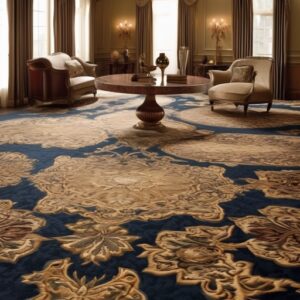
The flooring industry has experienced a significant transformation in recent years, driven by a shift towards e-commerce. Carpeting, traditionally a product sold in physical stores, has seen a growing demand for online availability as consumers increasingly prefer shopping from the comfort of their homes. This change presents a lucrative opportunity for carpet businesses to expand their reach and increase sales through e-commerce platforms.
In this article, we will explore the strategies and best practices for successfully using e-commerce to sell carpeting. We will discuss setting up an online store, showcasing products effectively, using digital marketing strategies, providing excellent customer service, and leveraging the power of technology to streamline operations. By the end of this guide, you will have a clear understanding of how to navigate the e-commerce landscape and grow your carpeting business online.
Why Sell Carpeting Online?
Expanding Market Reach
Selling carpeting online allows you to reach a broader audience beyond your local market. While a physical store limits your customer base to those who can visit your location, an online store opens up possibilities for customers from different regions and even countries. This expanded reach can lead to increased sales and brand awareness.
Convenience for Customers
One of the main reasons consumers prefer shopping online is convenience. Customers can browse various carpet styles, colors, and materials from their devices without needing to visit a showroom. Offering an online shopping experience caters to busy consumers who value the ability to compare options, read reviews, and make purchases without leaving their homes.
Lower Operational Costs
Setting up an online store for carpeting can be more cost-effective than operating a physical retail location. With an e-commerce model, you can reduce costs associated with renting showroom space, hiring sales staff, and maintaining a large inventory on-site. Instead, you can focus on digital marketing, online customer service, and efficient inventory management.
Setting Up an E-commerce Store for Carpeting
Choose the Right E-commerce Platform
The first step in selling carpeting online is to select a suitable e-commerce platform. Popular platforms like Shopify, WooCommerce, and BigCommerce offer user-friendly interfaces and various features tailored to online businesses. When choosing a platform, consider the following:
Ease of Use: Opt for a platform that is easy to navigate and manage, even if you have limited technical skills.
Customization Options: Your online store should reflect your brand’s identity. Choose a platform that allows you to customize your website’s design and layout.
Scalability: As your business grows, your e-commerce platform should be able to handle increased traffic and sales without compromising performance.
Integration Capabilities: Ensure the platform can integrate with essential tools like payment gateways, inventory management systems, and marketing software.
Build a User-friendly Website
Your website is the foundation of your e-commerce business, so it’s crucial to create a site that is attractive, functional, and easy to navigate. Here’s how:
Clear Navigation: Organize your products into categories such as “Residential Carpeting,” “Commercial Carpeting,” “Carpet Tiles,” and “Rugs.” Make it easy for customers to find what they are looking for.
Search Functionality: Implement a robust search feature that allows customers to search by color, material, style, or price.
Mobile Optimization: With many consumers shopping on mobile devices, your website must be mobile-responsive. Ensure that images load quickly, and the checkout process is seamless on all devices.
Product Listings and Descriptions
How you present your carpeting products online is crucial to making sales. Your product listings should include detailed descriptions, high-quality images, and customer reviews.
High-quality Images: Use professional photos that showcase the texture, color, and pattern of the carpet. Provide multiple angles and close-up shots to give customers a better sense of the product.
Detailed Descriptions: Include information about the material (e.g., wool, nylon, polyester), durability, recommended usage (residential or commercial), and care instructions. Be transparent about product specifications to help customers make informed decisions.
Product Videos: Consider adding videos that demonstrate the look and feel of the carpet, especially when installed in a room. This can help customers visualize how the carpet might look in their own space.
Offer Customization and Sample Services
One challenge of selling carpeting online is that customers cannot physically feel the product. To overcome this, offer sample services where customers can request small swatches of carpeting to see and feel before making a purchase. Additionally, provide customization options, such as cutting carpets to specific sizes or offering a range of color options.
Digital Marketing Strategies for Selling Carpeting Online
Search Engine Optimization (SEO)
SEO is a powerful tool to increase your online store’s visibility. By optimizing your website content for search engines, you can attract more organic traffic from potential customers searching for carpeting.
Keyword Research: Identify keywords that your target customers might use, such as “buy carpet online,” “best residential carpet,” or “commercial carpeting near me.” Use these keywords strategically in product descriptions, blog posts, and metadata.
Local SEO: If you offer services like installation in specific areas, optimize your site for local searches. Create location-specific landing pages and list your business on Google My Business.
Pay-Per-Click (PPC) Advertising
PPC ads can drive targeted traffic to your website quickly. Platforms like Google Ads and Facebook Ads allow you to create campaigns targeting specific demographics, locations, and search terms.
Google Shopping Ads: Use Google Shopping to display your carpet products directly in search results with images, prices, and links to your site.
Retargeting Ads: Set up retargeting campaigns to reach customers who have visited your site but did not make a purchase. These ads can remind them of the products they viewed and encourage them to return to complete their order.
Social Media Marketing
Social media platforms like Instagram, Pinterest, and Facebook are excellent for showcasing the aesthetic appeal of your carpeting products. Share photos, videos, and customer testimonials to engage with your audience and build brand loyalty.
User-generated Content: Encourage customers to share photos of their new carpet installations on social media and tag your business. This not only provides social proof but also helps you reach a wider audience.
Influencer Partnerships: Collaborate with interior design influencers who can showcase your products in their content, giving your brand greater exposure.
Email Marketing
Email marketing is a cost-effective way to nurture leads and retain customers. Use email campaigns to showcase new products, offer promotions, and provide helpful tips related to carpeting and home décor.
Personalized Recommendations: Use customer data to send personalized product recommendations based on past purchases or browsing history.
Abandoned Cart Reminders: Set up automated emails to remind customers who have added items to their cart but have not completed their purchase.
Enhancing Customer Experience
Provide Virtual Consultations
Offer virtual consultations where customers can connect with a flooring expert via video call. This service can help answer questions, provide recommendations, and build trust with potential buyers.
Streamlined Checkout Process
A complicated checkout process can lead to cart abandonment. Simplify the checkout process by offering guest checkout options, multiple payment methods, and clear instructions.
Efficient Shipping and Returns
Ensure that your shipping process is efficient and reliable. Offer clear information about shipping costs and delivery times. Also, provide a hassle-free return policy, as this can increase customer confidence in purchasing online.
Conclusion
Selling carpeting near me online can be a highly profitable venture if done correctly. By leveraging the right e-commerce platform, optimizing your website, implementing effective digital marketing strategies, and prioritizing customer experience, you can establish a strong online presence and grow your business. While the transition from a traditional showroom to an online store may seem challenging, the benefits of reaching a broader audience, reducing operational costs, and providing a convenient shopping experience make it a worthwhile investment.
In the digital age, adapting to e-commerce is not just an option but a necessity for flooring businesses. With the right approach, you can successfully sell carpeting online and take your business to the next level.
