From Chainsaws to Checkouts: Why Tree Removal Companies Should Embrace Ecommerce 🌳🛒

Ecommerce News for Tree Removal

Tree service companies are built on grit, skill, and boots-on-the-ground execution. But your next big growth lever probably isn’t a new chipper—it’s a smarter checkout. Ecommerce isn’t just for retail shelves; it’s a powerful way for tree removal businesses to win more jobs, smooth out cash flow, streamline scheduling, and deliver the kind of modern customer experience today’s homeowners and facility managers expect. Below, we’ll break down exactly how going online with your offers, add-ons, and payments can transform your operation from the first click to the last stump grind.

The Case for Ecommerce in Tree Services

If your customers can order dinner, prescriptions, and holiday lights from their phones, they should be able to book a tree removal, too. Consumer behavior has shifted decisively online, and ecommerce keeps grabbing a larger share of total retail activity. In the U.S., e-commerce sales reached an estimated 15.5% of total retail in Q2 2025, outpacing overall retail growth. Census.gov+1

That growing digital appetite isn’t limited to products. Service businesses that make it simple to explore options, see transparent pricing ranges, select packages, and pay—without phone tag—win more often and at higher average tickets. Retail analysts continue to track rising online conversion driven by clearer pricing and faster checkouts, while industry coverage shows that digital reviews, streamlined UX, and incentives are shaping buying decisions. Digital Commerce 360+1

The macro winds are at your back, too. Forecasts call for continued retail growth in 2025, and ecommerce remains a key driver inside that pie—meaning customers are primed to transact digitally if you make it easy. National Retail Federation+1

What Tree Companies Can Actually “Sell” Online (It’s More Than You Think)

Tree jobs are complex, sure—but many components can be packaged for checkout.

• Diagnostic visits and virtual consults
Offer paid site assessments or discounted video walk-throughs customers can book and pay for online. It filters tire-kickers, prioritizes serious buyers, and gets your estimator in front of the right jobs faster.

• Tiered service bundles
Create good/better/best packages: basic felling, removal plus haul-away, or premium with stump grinding, debris chipping, and lawn protection mats. Add estimated ranges and clear exclusions so buyers understand scope.

• Add-ons and upsells
Stump grinding, log splitting, brush hauling, crane time blocks, wood-waste recycling, emergency tarp-offs, trunk sectioning for firewood—these are easy to present as checkbox add-ons that grow average order value.

• Seasonal and preventive plans
Sell annual canopy inspections, wind-storm readiness packages, or commercial pruning cycles for property managers. Offer subscription billing so revenue repeats on schedule.

• Priority response and after-hours fees
When weather hits, sell “storm priority” memberships with guaranteed response windows and published premiums for night or weekend calls. Being explicit beats back-and-forth price debates.

• Documentation and reports
For HOAs, insurance claims, construction sites, and municipalities: monetize ISA-style risk assessments, letters of clearance, and photo documentation as downloadable deliverables.

• Rentals and merch
If it fits your model and insurance, offer cone sets, signage, or ground-protection mat rentals to GCs, plus brand merch or packaged firewood for homeowners.

Faster Cash Flow, Fewer Write-Offs

Ecommerce lets you collect payment milestones upfront: a booking deposit to reserve the crew date, an add-on bundle before mobilization, or the balance on completion via a link or QR code. That speeds cash conversion, reduces no-shows, and cuts admin time chasing checks. Clear, pre-authorized payment terms shrink disputes and make change orders simple—add an item, regenerate the invoice, and you’re done.

With a modern checkout, you can also offer financing options for big removals, letting homeowners split a $4,000 job into manageable installments. You’re not a bank—your platform partners are. But you’re the one who wins the project because you removed the payment barrier.

Scheduling That Sells

If customers can see real appointment windows and book instantly, they will. Publishing estimator slots or crew availability (buffered for travel and setup) turns your website into a 24/7 dispatcher. When jobs get rained out, open those slots online and let eager customers self-serve. Less phone time, more production time.

A smart ecommerce flow ties to your field calendar: capture address, obstacles (fences, pools, septic), tree count, approximate DBH, and photos. You can gate higher-risk or crane-required work to a paid estimate, while letting simpler removals proceed with instant online pre-authorization pending a final safety check.

Transparent Pricing Builds Trust—and Bigger Tickets

Most homeowners don’t know what a crane hour costs or how stump diameter affects grinding time. Your online store is a perfect place to educate while you sell. Show typical price ranges for common scenarios, then let the configurator do the math for add-ons. When customers understand why a job costs what it does, they’re more likely to select premium options: turf protection, debris cleanup, and same-day stump finish.

Retail coverage has repeatedly shown that clarity and fewer steps improve conversion; translating those principles to services means publishing choices and making checkout effortless. Digital Commerce 360

A Lead Engine That Compounds (SEO + Content + Checkout)

Every shoppable package and add-on you publish becomes indexable content. That’s free SEO. Build pages around “emergency tree removal near me,” “storm cleanup packages,” “oak removal with crane,” “stump grinding per inch,” and “commercial pruning contracts.” Add real photos and short, helpful videos. Tie related blog posts to shoppable products (e.g., a stump grinding FAQ that links to your “Grind + Regrade” bundle).

Industry outlets covering ecommerce trends consistently highlight the connection between content, product discovery, and conversion—make those best practices work for you. Digital Commerce 360

Smoother Operations, Happier Crews

A clean ecommerce intake captures the details crews need: access notes, vehicle limits, powerline proximity, requested log handling, neighbor notifications, and disposal preferences. When the job is already “productized,” your foreman shows up with a clear scope, customer expectations are aligned, and change orders are formalized in the app. Less friction in the yard, fewer surprises at the curb.

Because add-ons are preselected and prepaid, you can stage gear the day before and avoid extra trips. Inventory-style visibility for consumables (fuel, bar oil, chains, rake heads, stump teeth) lets you restock based on booked work rather than guesswork.

Better Reviews and Referral Flywheels

It’s easier to ask for reviews when your system automatically sends a friendly request after payment clears—ideally with a before-and-after photo and a tip prompt for the crew. Public ratings aren’t just vanity; consistent coverage shows that reviews materially influence purchase decisions across categories, shaping both visibility and conversion. Retail Dive

Responding quickly, thanking the customer by name, and addressing any concerns reinforces your brand and increases the odds that neighbors book you next.

Commercial and B2B Wins

Property managers, schools, and general contractors are busy. If they can download your W-9, COI, and vendor packet, select a standard maintenance bundle, and pay a deposit from their desk, you rise to the top. Create B2B pages with contract SKUs: quarterly pruning routes, storm standby retainers, or “on-call” mobilization fees. Set different pricing and payment terms for approved accounts and accept purchase orders where appropriate.

Data You Can Actually Use

Online checkouts generate clean data you can act on: average order value by neighborhood, most-purchased add-ons, seasonality spikes, and the lead sources that convert into paid jobs. Use those insights to:

• Adjust pricing on high-demand add-ons (like stump grinding)
• Schedule more estimator hours during pre-storm weeks
• Launch targeted promos (free chip haul-away with weekday bookings)
• Plan hiring and equipment capex around real demand, not hunches

Retail media and ecommerce analysts continually emphasize running plans on data, not guesswork—a mindset that pays off even faster in service businesses where crew time is your inventory. Retail Dive

Practical Steps to Get Started This Quarter

• Productize your top five services
Write concise descriptions with scope, common exclusions, and photos. Add three add-ons to each service (stump grinding, debris haul-away, turf protection).

• Offer deposits and clear terms
Require a booking deposit, outline lead times, weather contingencies, and access requirements.

• Turn estimates into a checkout
Send online proposals with accept/pay buttons. When the homeowner clicks “add stump grinding,” your crew and accounting will thank you.

• Build a storm-mode page
Preconfigure emergency response SKUs with surge pricing, crew windows, and geographic limits. When winds rise, your site is ready.

• Connect reviews and follow-ups
Automate “thank you” notes, review requests, and maintenance plan invitations 30, 90, and 365 days post-service.

• Measure and iterate
Track conversion rate, average order value, and days-to-cash. Use heatmaps or session replays to remove friction from your checkout.

Further Reading on Ecommerce Momentum

If you want to sanity-check the digital tide before you dive in, here are timely, credible reads:

• U.S. Census Bureau’s latest Quarterly Retail E-Commerce Sales report shows ecommerce outpacing overall retail growth and representing 15.5% of total sales in Q2 2025. Quarterly Retail E-Commerce Sales Report. Census.gov
• Digital Commerce 360’s coverage of 2025 ecommerce trends examines conversion drivers and evolving shopper behavior that you can mirror in services. 10 ecommerce trends reshaping 2025. Digital Commerce 360
• Retail Dive continues to report how reviews, incentives, and experience design influence sales—insightful for service checkouts. Retail’s love affair with incentivized reviews. Retail Dive
• The National Retail Federation’s 2025 outlook sets the broader demand context, with expected retail growth that complements service businesses leaning into online sales. NRF 2025 Retail Sales Forecast. National Retail Federation

Conclusion: Make “Book and Pay Now” Your New Competitive Edge ⚡️

Tree removal remains a hands-on craft—but your sales engine doesn’t have to be. Productize your most common jobs, publish clear options, let customers add the services they value, and collect payment before the first cone hits the pavement. You’ll increase conversion, lift average ticket size, reduce admin headaches, and give crews clearer scopes—while delivering the frictionless experience modern buyers expect.

In a market where storms are unpredictable and customer attention is short, the companies that make it easiest to say yes will win. Turn your expertise into shoppable packages, and let your website do the selling while you do the climbing. 📈🌲

How Ecommerce Can Help a Covered Patio Business Thrive 🌐

Ecommerce News for Covered Patio

In today’s digital-first world, businesses in every industry are discovering that ecommerce isn’t just for traditional retail. Even service-driven businesses like covered patio companies can unlock new opportunities by embracing online sales and marketing. A covered patio business may seem tied to local construction and outdoor living projects, but the right ecommerce strategy can elevate visibility, streamline customer acquisition, and boost revenue in ways traditional methods simply can’t.

This article will explore how ecommerce can help a covered patio business grow, attract new customers, and create long-term success.


Expanding Your Reach Beyond Local Word of Mouth

Traditionally, covered patio businesses rely heavily on referrals, local advertising, and word of mouth. While these strategies are valuable, they can also limit growth. Ecommerce changes the game by enabling patio businesses to showcase their services, products, and expertise to a wider audience.

Through a well-structured website and online store, homeowners can browse available designs, request quotes, and even purchase add-ons such as lighting, furniture, or custom coverings. By integrating ecommerce into your patio business, you move from being a local service provider to a regional or even national brand with influence.

According to Ecommerce Times, more homeowners are turning to online research before making outdoor improvement decisions. If your business doesn’t show up in that digital journey, you risk losing potential clients.


Showcasing Products and Services Online

For many customers, visual appeal is everything. Covered patios are an investment in comfort and lifestyle, so people want to see what they’re buying. Ecommerce platforms allow you to display detailed galleries, 3D renderings, and even augmented reality features so customers can envision a patio in their backyard before making a commitment.

You can also use ecommerce to sell complementary products directly online:

  • Outdoor lighting kits

  • Ceiling fans designed for covered patios

  • Furniture packages tailored to covered spaces

  • Seasonal dĂŠcor bundles

This approach gives your business a new revenue stream while building customer loyalty. A homeowner who buys a covered patio from you might also purchase accessories if they’re just a click away. Ecommerce Times emphasizes how product diversification helps businesses create repeat customers, and that principle applies here too.


Streamlining Customer Communication and Payments

One of the biggest advantages of ecommerce is convenience. Instead of requiring phone calls or in-person consultations for every step of the process, your business can automate initial interactions. Customers can:

  • Request instant quotes online

  • Schedule consultations via your website

  • Pay deposits securely with a credit card

  • Choose financing options directly through integrated platforms

According to Practical Ecommerce, streamlining the customer journey online can significantly reduce drop-off rates and boost sales. For covered patio businesses, this means fewer lost leads and more closed projects.

By simplifying communication, you’re not only saving time but also creating a smoother, more professional experience that appeals to today’s busy homeowners.


Leveraging Digital Marketing for Growth

Ecommerce doesn’t just mean having an online store—it also means using digital marketing tools to grow your business. A covered patio company can take advantage of:

  • Search engine optimization (SEO) to rank for “covered patio near me”

  • Paid ads targeting homeowners in specific ZIP codes

  • Social media campaigns that showcase before-and-after photos

  • Email marketing with seasonal promotions

Digital channels help you build authority and visibility, making it easier to attract high-quality leads. When you tie these strategies to your ecommerce system, you create a seamless funnel where curiosity quickly turns into conversion.

As Ecommerce News notes, online visibility is one of the most critical factors for success in today’s competitive landscape. For covered patio businesses, this visibility means being the first option homeowners see when they decide to upgrade their backyard space.


Building Customer Trust with Transparency

Trust is everything in the construction and home improvement industry. Homeowners want to feel confident they’re hiring the right team. Ecommerce platforms help build that trust through:

  • Transparent pricing displayed online

  • Reviews and testimonials on product and service pages

  • Clear timelines and deliverables for projects

  • Easy-to-access customer support

When potential clients see transparency and professionalism online, they’re more likely to reach out. In fact, according to Digital Commerce 360, businesses that integrate clear pricing and reviews into their ecommerce strategies see higher engagement and faster conversions.

For a covered patio business, this transparency can make the difference between a homeowner choosing you or moving on to a competitor.


Offering Financing and Upselling Opportunities

Covered patios are a significant investment, and not all homeowners can pay upfront. By integrating ecommerce financing solutions, you give clients flexibility, which often leads to more sales. You can also use your online platform to upsell higher-end designs or additional features.

For example:

  • A customer shopping for a standard covered patio might be shown options for premium roofing materials.

  • Someone purchasing a patio cover could be offered an add-on of outdoor kitchen features.

Upselling works because it provides customers with choices while boosting your average order value. Ecommerce platforms make these suggestions automatically, maximizing revenue without additional sales pressure.


Enhancing the Customer Experience with Technology

Ecommerce opens doors to advanced technology that enhances the customer journey. Covered patio businesses can use:

  • Virtual consultations via video chat

  • 3D design software integrated into the website

  • Chatbots for quick answers to customer questions

  • Project tracking portals where clients can check progress

All of these tools help create a modern, seamless experience that stands out. Homeowners no longer want just a patio—they want the reassurance that their project is being handled with professionalism and ease. Ecommerce technology delivers exactly that.


Conclusion: The Future of Covered Patio Businesses Is Online 🚀

Ecommerce is no longer an optional tool for covered patio businesses—it’s a growth necessity. From expanding your reach and showcasing products to streamlining payments and building trust, ecommerce empowers businesses to meet modern customer expectations while opening new revenue streams.

Homeowners are already searching online for their outdoor living upgrades. By building an ecommerce presence, your covered patio business can be the one they find, trust, and choose. The result? More projects, stronger relationships, and long-term success in an increasingly digital world.

Harnessing E-Commerce to Strengthen Strategic Planning for Small Businesses

Ecommerce News for Strategic Plan for Small Business

In an era marked by rapid digital transformation, small businesses must embrace e-commerce as a cornerstone of their strategic planning. Whether you’re a retailer, service provider, or creator of bespoke products, adopting online sales channels can unlock growth opportunities, new markets, and improved resilience. This article explores how integrating e-commerce into your strategic plan not only keeps you competitive—but positions you for sustained success 🚀. Along the way, we’ll weave in insights from trusted sources in the e-commerce world to back up our findings.

The Role of E-Commerce in Strategic Planning

Strategic planning involves setting long-term goals, determining actions necessary to achieve them, and allocating resources accordingly. For small businesses, one of the greatest opportunities of our age is harnessing e-commerce to drive revenue, expand reach, and strengthen customer relationships. Unlike traditional brick-and-mortar models, e-commerce offers the flexibility to reach customers beyond geographic limitations, streamline operations, and adapt quickly to market changes.

Expanding Market Reach and Customer Base

One of the most immediate advantages of e-commerce is broadening your audience. Where once your market might have been limited to those within driving distance, having an online presence allows you to sell across regions, states, or even international borders. With tools like SEO, digital advertising, and social media integration, small businesses can connect with customers they might never have reached otherwise.

For instance, a small artisan bakery in your hometown can now ship signature cookie boxes nationwide, effectively launching a national sales channel with minimal overhead. This scalability aligns perfectly with strategic goals aimed at growth and diversification.

Improving Operational Efficiency

E-commerce platforms like Shopify, WooCommerce, or BigCommerce bring automation to order processing, inventory tracking, and customer communication. This streamlining allows small businesses to reduce manual tasks, minimize errors, and devote more time to core strategic activities like product development or marketing.

By incorporating platform analytics, businesses gain insights into customer behavior, popular products, and sales performance—insights that are invaluable during strategic planning. Knowing which items consistently perform well helps prioritize inventory investment, marketing spend, and even future product development.

Enhancing Customer Engagement and Retention

Online tools like email campaigns, customer reviews, and chatbots create touchpoints that keep customers engaged beyond the point of sale. Regular newsletters featuring new products or promotions, combined with personalized recommendations based on shopping history, build loyalty and encourage repeat business.

The data-driven nature of e-commerce further allows small businesses to craft targeted strategies for upselling, cross-selling, or reactivating dormant customers. In turn, these efforts improve customer lifetime value—a key metric in any strategic plan.

Resilience in Changing Markets

When crises strike—be it economic downturns, supply chain disruptions, or public health challenges—e-commerce serves as a critical lifeline. The COVID-19 pandemic offered a vivid example: businesses with solid online infrastructure from the outset were far more likely to stay operational when physical storefronts were forced to close. Shifting resources to e-commerce channels helped maintain revenue streams and even capture competitors’ market share during closures.

Embedding digital-first resilience in a strategic plan means business-continuity expectations get built in. From setting aside budget for digital marketing to optimizing mobile storefront performance, these measures prepare small businesses for volatility.

Implementing E-Commerce in Your Strategic Plan

Integrating e-commerce into strategic planning means treating it not as an afterthought, but as a full-fledged pillar with dedicated goals and action items. Let’s break down how small businesses can do this effectively.

1. Define Clear Objectives

Start by establishing what you want e-commerce to achieve. Are you aiming for a 20 % increase in sales, entry into a new geographic market, or improved customer retention? Goals should be specific, measurable, achievable, relevant, and time-bound (SMART). These objectives then guide decisions about budget allocation, platform selection, and marketing tactics.

2. Choose the Right Platform and Tools

Not every e-commerce solution suits every business. Consider factors like product variety, order volume, shipping needs, and integration with existing systems. For example, a dropshipping business may prioritize simplicity and inventory management, while a handmade crafts vendor might need highly customizable storefronts and strong SEO features.

Look for platforms offering flexibility, scalability, and ease of use. Integration with payment processors, shipping carriers, and customer relationship management tools should align with your operational strategy.

3. Align Resources and Budget

Allocate resources—both human and financial—accordingly. That might mean hiring a part-time digital marketer, investing in professional product photography, or subscribing to premium platform features for accelerated growth. Assign responsibility for the online channel, whether through an existing team member or an external consultant, and define key performance indicators for monitoring progress.

4. Leverage Expert Insights and Industry Trends

Staying informed about the latest e-commerce trends is vital. For example, recent reports emphasize personalization, mobile optimization, and omnichannel experiences as key success drivers. Retail TouchPoints notes the rising importance of shoppable social media posts and conversational commerce.

By grounding your strategic plan in current industry insights, you ensure your approach is both forward-thinking and practical. Trusted publications—such as Ecommerce News—offer up-to-date reporting and data you can cite to inform your decisions. For instance, small businesses can glean research on seasonal consumer behavior, platform adoption rates, or emerging technologies in their sector. ( Ecommerce News insight on trends)

5. Integrate Analytics into Decision-Making

Analytics should be at the heart of your e-commerce strategy. Monitoring metrics like traffic sources, conversion rate, average order value, and cart abandonment helps refine your tactics. Suppose you discover that mobile traffic is high but conversions are lower than desktop—this insight can prompt investment in mobile UX improvements or accelerated checkout solutions.

These data points feed back into your strategic cycle: assess, adapt, and refine. A quarterly review of your e-commerce performance informs whether your goals remain realistic and what tweaks can be made to get closer to them.

6. Plan for Long-Term Growth and Innovation

As your e-commerce presence gains traction, cultivate new channels and offerings. Consider subscription models, digital downloads, or limited-edition products. Expanding into marketplaces like Amazon or Etsy can complement your direct-to-consumer strategy. Alternatively, explore international shipping, multi-language storefronts, or cross-border payments if overseas markets align with your strategic vision.

Your plan should anticipate future phases: pilot, expand, optimize. Each phase has unique resource needs, risk profiles, and goals. Map these clearly, and assign timelines and checkpoints for review.

Case Example in Practice

Let’s imagine a small cosmetics business specializing in organic skincare. Here’s how e-commerce could weave into their strategic plan:

  1. Objective: Achieve 15 % revenue growth and reach new customers nationwide within 12 months.

  2. Platform: Launch on Shopify, integrating Instagram shopping and a blog for SEO.

  3. Budget: Allocate funds for influencer collaborations, professional packaging, and seasonal promotions.

  4. Insights: Research from Ecommerce News reports growing preference for eco-friendly shipping options among Gen Z consumers. This leads to investing in biodegradable packaging.

  5. Analytics: Monitor user behavior via Google Analytics and platform dashboards; see high cart abandonment on the payment page. Implement PayPal one-click and reduce form fields.

  6. Growth: After achieving the year’s goals, pilot subscription boxes and pop-up retail collaborations for touchpoints in local markets.

This example illustrates how e-commerce isn’t just another sales channel—but a dynamic engine embedded in strategy.

Benefits at a Glance

Let’s summarize how e-commerce strengthens a strategic plan for small businesses:

  • Scalability and Reach: Enter new markets with minimal overhead.

  • Efficiency: Automate repetitive tasks and focus on high-impact strategic work.

  • Customer Insight: Data-rich feedback loops fuel smarter decisions.

  • Engagement: Digital tools build stronger, longer-lasting customer relationships.

  • Agility: Online-first models adapt swiftly to external shocks or shifting trends.

Conclusion

Incorporating e-commerce into your Strategic Plan for Small Business isn’t optional—it’s essential for small business resilience, growth, and adaptability. By clearly defining objectives, choosing platforms wisely, allocating resources intentionally, staying data-driven, and learning from reputable sources like Ecommerce News, you transform your digital storefront into a strategic advantage.

The journey may feel daunting, but each step—from launching your online store to iterating based on analytics—advances your organization’s goals. Embrace e-commerce as a powerful strategic lever. With vision, measurement, and continual iteration, small businesses can go beyond surviving—they can thrive, all while serving customers in meaningful, modern ways. Happy planning, and here’s to e-commerce-powered success!

How Ecommerce Can Help a Structural Engineer in New Brunswick, NJ 🚀

Ecommerce News for Structural Engineer

Structural engineers are known for their precision, problem-solving skills, and ability to bring architectural visions to life. In a city like New Brunswick, NJ—home to Rutgers University, a growing business sector, and expanding infrastructure—the demand for structural engineering expertise is always on the rise. Yet, many engineers still rely on traditional word-of-mouth referrals or networking to attract clients.

Here’s the truth: ecommerce isn’t just for retail stores or online shopping carts. For a structural engineer in New Brunswick, embracing ecommerce strategies can completely transform how services are marketed, sold, and delivered. By creating digital pathways for clients to discover, purchase, and engage with engineering expertise, structural engineers can position themselves as leaders in a competitive market.


Why Ecommerce Matters for Structural Engineers

When people think of ecommerce, they usually picture Amazon or Shopify. But ecommerce for service providers like structural engineers takes on a different shape. It’s not about selling shoes or electronics—it’s about selling accessibility, clarity, and convenience.

Imagine a potential client in New Brunswick searching for “structural engineer near me” because they need a foundation inspection. If your services can be browsed, scheduled, and even partially paid for online, you immediately set yourself apart from firms still relying on back-and-forth phone calls.

Key benefits include:

  • 24/7 Availability – Prospective clients can explore your services and book consultations anytime.

  • Streamlined Payments – Offering digital payment options makes the process easier and more professional.

  • Trust Building – Transparent service listings and client testimonials online create confidence.

  • Market Expansion – Ecommerce opens doors beyond New Brunswick to statewide and even nationwide opportunities.


Building a Professional Online Storefront 🌐

For a structural engineer, the website becomes the ecommerce storefront. It should do more than list a phone number. Instead, it should be interactive, service-focused, and designed to convert visitors into clients.

Here’s how ecommerce functionality can work for engineers:

Service Catalogs

Break down your expertise into clear, bookable offerings:

  • Foundation inspections

  • Load-bearing wall assessments

  • Renovation feasibility reports

  • CAD drafting services

Clients can click, learn more, and take the next step—whether scheduling or paying a deposit.

Online Scheduling

Platforms like Acuity or Calendly can be integrated to let clients instantly book consultations. Instead of playing phone tag, your calendar is accessible with just a few clicks.

Digital Payment Gateways

Using ecommerce platforms like Stripe or PayPal, you can securely collect deposits or full payments. This reduces cancellations and ensures serious clients are committed from the start.


Enhancing Visibility with Ecommerce Marketing 📈

Ecommerce is more than transactions—it’s also about being found. Structural engineers in New Brunswick can leverage ecommerce-friendly marketing tools to reach the right audience.

Search Engine Optimization (SEO)

Optimizing for local keywords like “Structural Engineer New Brunswick NJ” helps ensure you’re visible when potential clients search. According to Moz, SEO remains one of the most powerful ways to drive consistent, organic traffic to a business.

Content Marketing

Publishing blog posts, FAQs, or downloadable guides such as “5 Signs Your Building Needs a Structural Assessment” positions you as an authority. This not only drives traffic but also nurtures trust.

Paid Advertising

Running Google Ads or LinkedIn campaigns targeting local property developers, architects, or homeowners can bring qualified leads directly to your digital storefront. The difference is that ecommerce integration ensures these leads can act immediately—booking or paying online.


Offering Digital Deliverables

One of the most overlooked advantages of ecommerce for structural engineers is the ability to provide digital deliverables.

Examples include:

  • Inspection Reports – Clients can purchase a service and receive their report securely via your website.

  • Blueprints or CAD Files – Digital access eliminates delays and streamlines collaboration.

  • Consultation Packages – Clients can pre-purchase consulting hours or retainers online.

This type of digital transaction aligns with modern client expectations. According to Statista, ecommerce accounts for nearly 20% of retail sales worldwide, showing just how comfortable people have become with digital purchasing—even for professional services.


Expanding Client Relationships Through Ecommerce Tools 🤝

Beyond transactions, ecommerce platforms provide tools to strengthen relationships.

  • Email Automation – After a consultation booking, clients can receive automated reminders, follow-ups, and even maintenance tips.

  • Membership Models – Offer ongoing service packages (such as quarterly structural check-ups for commercial buildings) that can be purchased through subscriptions.

  • Client Portals – Give repeat clients a secure login where they can access reports, invoices, and service history.

These features show professionalism and reinforce long-term partnerships, which are critical in engineering where trust and reliability are paramount.


Competitive Advantage in New Brunswick

New Brunswick’s landscape includes a mix of historic buildings, university expansions, and new commercial development. Structural engineers who leverage ecommerce will stand out against competitors who are still offline.

For example:

  • A homeowner restoring an old property near downtown can book and pay for an inspection online.

  • A developer planning a new commercial project can download a digital service brochure instantly.

  • An architect collaborating on a Rutgers project can securely access shared digital drawings.

In all of these scenarios, ecommerce reduces friction—and in business, reducing friction means winning more clients.


Authority & Trust in the Digital Age

Clients expect professionalism online just as much as they do in person. According to the U.S. Small Business Administration, embracing ecommerce is no longer optional—it’s a crucial step for long-term competitiveness.

By integrating ecommerce, structural engineers signal that they are not only technically skilled but also modern, accessible, and responsive to client needs. This combination builds trust in an industry where precision and credibility matter most.


Conclusion

Ecommerce isn’t reserved for online stores—it’s a transformative tool for service providers, especially structural engineers in New Brunswick, NJ. By building an ecommerce-enabled website, offering bookable services, integrating digital payments, and providing online deliverables, engineers can streamline operations, expand their reach, and build stronger client relationships.

In today’s fast-moving digital world, the engineers who adapt will thrive. Ecommerce doesn’t replace expertise—it amplifies it, making your structural engineering skills more accessible, professional, and future-ready.

👉 If you’re a structural engineer New Brunswick, now is the time to embrace ecommerce and position yourself as the go-to expert for homeowners, developers, and businesses alike.

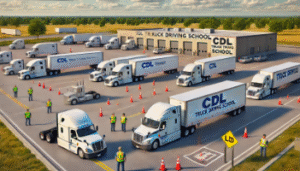
Shifting Gears Online: How eCommerce Can Drive Success for Your CDL Truck Driving School 🚛💻

Ecommerce News for CDL Truck Driving School

Welcome to the Fast Lane of Digital Transformation 🚦

The trucking industry is the backbone of the American economy, and with the ongoing demand for skilled drivers, CDL (Commercial Driver’s License) truck driving schools are more essential than ever. But while highways may be where your students are headed, your school’s journey to success should include a different kind of road: the digital one.

eCommerce isn’t just for selling shoes or gadgets—it’s revolutionizing service-based industries, including vocational education and training. For a CDL truck driving school, embracing eCommerce can mean more enrollments, streamlined operations, enhanced student experience, and long-term business growth.

In this comprehensive article, we’ll explore how eCommerce can help your CDL truck driving school thrive, with practical tips, case studies, and authoritative insights to keep your business shifting into higher gears.


1. eCommerce for CDL Schools: More Than Just Online Payments 💳

The term “eCommerce” often brings to mind shopping carts and online stores—but for service-based businesses like truck driving schools, it goes much deeper. eCommerce encompasses the entire digital sales experience, including:

  • Online registration and scheduling

  • Payment processing

  • Digital document submissions

  • Online merchandising (like school gear or training resources)

  • Automated email marketing

  • Course management platforms

In essence, it’s about turning your website into a 24/7 recruiter and administrative assistant, helping prospective students find you, sign up, and stay engaged without the paperwork hassle.


2. Breaking Down Barriers: Expand Your Reach 🌍

Traditionally, CDL truck driving schools have relied on word of mouth, local ads, and job fairs. While those methods still matter, eCommerce opens the door to a wider audience:

  • Target rural students who may not have easy access to in-person registration.

  • Reach career switchers across state lines who are researching new opportunities online.

  • Attract younger, tech-savvy learners who expect digital convenience.

By building an SEO-optimized, eCommerce-integrated website and promoting your school through online ads and social media, you can enroll students you’d otherwise never reach. According to Pew Research, 93% of American adults use the internet—why not meet them there?


3. Streamline the Enrollment Process: Less Paperwork, More Progress 📝➡️📲

Gone are the days of mailing applications or waiting in line. With a modern eCommerce system, students can:

  • Complete applications online

  • Upload necessary documents (e.g., driver’s licenses, medical certificates)

  • Schedule training sessions

  • Make tuition payments via secure portals

This level of automation reduces administrative errors, improves the customer experience, and frees up your staff to focus on what really matters: training drivers.

You can integrate tools like Shopify, WooCommerce, or course management platforms like Teachable and Kajabi to power these experiences—customizing each to suit your specific needs.


4. Offer Online Courses & Study Materials 📚💡

While behind-the-wheel training will always require physical presence, much of the CDL permit preparation can be delivered digitally:

  • Video lectures

  • Interactive quizzes

  • PDF study guides

  • Virtual test simulations

Offering an eCommerce store where students can purchase or access digital learning materials helps them get started immediately and improves pass rates.

Better yet, you can bundle these resources into digital packages, increasing your average transaction value while enhancing the student experience. Think of it as a digital “welcome kit” that prepares your students even before they step on the lot.


5. Boost Cash Flow with Online Payment Options 💸

Offering flexible online payment options is a win-win:

  • Students appreciate the convenience of paying via credit card, PayPal, ACH, or even payment plans.

  • Your school benefits from faster, more reliable cash flow—and fewer bad checks.

By using secure payment gateways like Stripe, Square, or PayPal, you can automate tuition collection, track transactions, and minimize friction at checkout.

And if you want to add financing options, tools like Affirm and Klarna allow students to pay over time—making your program more accessible while you still get paid upfront.


6. Merchandising: A New Revenue Stream for CDL Schools 👕🧢

Who says only big brands get to sell merchandise? With an eCommerce store, you can offer:

  • Branded hats, shirts, or jackets

  • Reflective safety gear

  • CDL training manuals or flashcards

  • Branded notebooks or toolkits

Not only does this create a sense of community and school pride, but it also builds an additional stream of revenue. Platforms like Printful or Printify make it easy to create a dropshipping merchandise store—no inventory needed.


7. eCommerce + Marketing = Enrollments on Autopilot 📈🎯

Here’s where eCommerce really shines: it integrates beautifully with digital marketing. When someone clicks on your Google ad, social media post, or SEO blog article, they land on a conversion-optimized website where they can:

  • Learn more about your program

  • Read student testimonials

  • Download a brochure

  • Register and pay for classes

Marketing tools like HubSpot, Mailchimp, and Google Analytics allow you to track your customer journey from interest to enrollment, sending automatic emails that nurture leads into paying students.

Example automation:
🚀 “Thanks for your interest in our CDL training program! Here’s a free guide on passing your written exam. Let us know when you’re ready to hit the road.”

This kind of strategic eCommerce + CRM integration increases conversion rates while saving you time and effort.


8. Improve Student Engagement & Retention 📲❤️

Once a student enrolls, the digital journey doesn’t stop. eCommerce tools can improve ongoing engagement through:

  • Access to student portals

  • Push notifications and reminders

  • Progress tracking tools

  • Email updates and tips

A satisfied student is more likely to complete their program, refer friends, and leave glowing reviews—driving more business your way.

You can also build a loyalty program using eCommerce plugins or apps, rewarding students for things like early registration, referrals, or course completions.


9. Collect Reviews and Build Reputation 📢🌟

Your online reputation can make or break your business. eCommerce platforms allow for:

  • Automated review collection

  • Social proof widgets on your site

  • Integration with review sites like Trustpilot and Google Business

By showcasing success stories and testimonials from past students, you build trust and credibility with future ones. You can even offer a small discount or piece of swag in exchange for honest reviews.


10. Scale Your Business Without Scaling Overhead 📊🧠

The best part about embracing eCommerce? It grows with you.

Once your digital infrastructure is in place, it’s easy to:

  • Add new course offerings

  • Offer CDL endorsements (e.g., Hazmat, Tanker)

  • Open additional school locations

  • License your online curriculum to other schools

This means you can grow your CDL school without drastically increasing your staff or operational costs. You’ll be working smarter, not harder.


Conclusion: Buckle Up for the Digital Future of CDL Training 🚛🚀

The CDL truck driving school industry is booming, but that doesn’t mean success is guaranteed. To stay competitive, efficient, and student-focused, truck driving schools must embrace the tools that the digital world offers.

eCommerce isn’t a luxury anymore—it’s a critical business strategy that drives visibility, simplifies enrollment, improves cash flow, and boosts student satisfaction. Whether you’re a small school with a single lot or a multi-location brand, eCommerce is the key to unlocking your full potential.

Don’t let your school stall in the analog world while others speed by online. Start with a clear vision, invest in user-friendly eCommerce tools, and put your school on the road to unstoppable growth.

And remember: your future students are already online—it’s time your school joined them.


Ready to Digitally Transform Your CDL School?
Here are some resources to help you get started:

Happy trucking—and happy selling! 💻🛣️

How Ecommerce Can Transform a Denver Cabinet Painting Business 🎨📦

Ecommerce News for Denver Cabinet Painting

The Power of Going Digital in a Visual World

In today’s ever-evolving marketplace, even the most hands-on industries—like cabinet painting—are experiencing a digital revolution. While word-of-mouth referrals and local ads once formed the backbone of customer acquisition, modern businesses are discovering a powerful new frontier: ecommerce.

Yes, ecommerce isn’t just for fashion brands or tech gadgets. A Denver cabinet painting company can significantly expand its reach, streamline operations, and boost revenue by embracing online sales tools and digital platforms. Whether you’re offering custom refinishing packages, scheduling in-home consultations, or selling complementary products like touch-up kits and cabinetry hardware—ecommerce can play a transformative role.

Let’s dive into how ecommerce can open doors for Denver’s cabinet painting professionals—and why those who resist may be leaving serious money on the table. 💸


1. Building an Ecommerce Presence Creates 24/7 Accessibility

Denver is a bustling, fast-growing metro area, with people moving in, remodeling, and upgrading their homes at record rates. Your prospects may be browsing for painting services at night after work or on the weekend—well outside of normal business hours.

With an ecommerce-enabled website, your business never sleeps.

Instead of waiting for Monday morning to call and get a quote, customers can:

  • Browse service packages

  • Schedule consultations

  • Pay deposits

  • Purchase gift certificates or touch-up products

A well-built ecommerce platform acts as your 24/7 salesperson. According to a report by Statista, online retail sales in the U.S. reached over $1.1 trillion in 2023 and continue to grow. Even if you’re not shipping products, being part of that ecosystem means more visibility and more convenience for your clients.

👉 Source: Statista Ecommerce Trends


2. Create Streamlined, Sellable Service Packages

Cabinet painting is often seen as a custom, case-by-case project—and while that’s true to a point, smart businesses can structure their offerings into ecommerce-ready packages.

Here’s how:

  • “Standard Kitchen Refresh” – Up to 30 doors, basic white or grey finish.

  • “Premium Cabinet Refinish” – Custom colors, premium coatings, soft-close hinge upgrades.

  • “Vanity & Bath Repaint Kit” – Small-scale jobs with fast turnaround.

  • Add-Ons – Crown molding painting, new hardware installation, gloss topcoat.

By presenting clear packages with defined pricing, customers can easily understand what they’re getting and buy with confidence—right from your site. This not only reduces friction in the sales process but also positions you as a polished, professional service provider.

🧰 Pro Tip: Use high-quality photos and before/after galleries for each package. People need to see the transformation to feel confident clicking “Add to Cart.”


3. Expand Your Market Beyond Denver

While your cabinet painting services may be hyper-local, ecommerce lets you sell related products and consultations well beyond city limits.

Here’s what this could look like:

  • Touch-Up Kits – Small bottles of matching paint for post-installation nicks.

  • DIY Cabinet Refinishing Starter Kits – With instruction videos and all the tools.

  • Color Consultation via Zoom – Sell virtual design consults with homeowners across the country.

With ecommerce fulfillment tools like Shopify, Squarespace, or WooCommerce, you can easily set up digital or shippable products that boost your revenue and increase your brand’s reach.

🌎 Now your Denver cabinet painting company becomes a nationwide brand with digital products that work for you—even while you sleep.

👉 Explore Shopify features: www.shopify.com


4. Capture More Leads with Ecommerce-Driven SEO

Google searches like:

  • “cabinet painters near me”

  • “Denver kitchen cabinet refinishing”

  • “bathroom vanity painting Denver”

…are goldmines for cabinet painting companies. When your ecommerce site is set up properly, Google indexes your services, products, and blog content, allowing your company to rise in search results.

You can further fuel this with:

  • Product pages with unique descriptions

  • Blog posts targeting Denver homeowners

  • FAQs that address pain points and include keywords

According to HubSpot, companies that blog generate 67% more leads than those that don’t. Add ecommerce into that mix, and you’re not just attracting traffic—you’re converting traffic into paying customers.

👉 Source: HubSpot Marketing Statistics


5. Offer Flexible Payments and Financing Options

Ecommerce allows you to integrate Buy Now, Pay Later (BNPL) options like Affirm or Klarna. For many Denver homeowners who are on the fence about a $2,000+ cabinet refresh, this makes the decision easier.

They can commit to the project today and spread payments over a few months—all online, no awkward money talk.

Benefits include:

  • Higher average order values

  • More conversions from budget-conscious customers

  • Reduced friction in the sales funnel

💳 Flexible payment is becoming expected, not optional, in home improvement services.


6. Reduce Administrative Time with Online Scheduling

Ever feel like you spend more time going back and forth about availability than actually painting cabinets?

Ecommerce sites can integrate online booking calendars, allowing clients to pick a consultation time without all the phone tag. Tools like Calendly, Square Appointments, or Acuity can sync with your calendar and offer real-time availability.

Even better? You can charge for consultations upfront, weeding out tire-kickers and showing clients you mean business.

⏰ Less admin work = more time on ladders, brushes, and results.


7. Encourage Repeat Business and Referrals with Automated Follow-Up

Ecommerce allows you to automate your post-project communication:

  • “Thank you” emails with care instructions

  • Upsell emails for touch-up kits or hardware upgrades

  • Referral incentives with affiliate-style links

  • Review requests on Google and Yelp

According to BrightLocal, 87% of consumers read online reviews for local businesses in 2023, and that number keeps rising. Ecommerce tools let you automate requests and funnel clients toward your 5-star reputation.

👉 Source: BrightLocal Local Consumer Review Survey

📢 Your happy client could be your best marketer—if you make it easy for them.


8. Become an Authority Through Content-Driven Commerce

When you position your Denver cabinet painting company as more than a service—but a resource—you build trust and brand equity.

Here’s how ecommerce supports that:

  • Sell ebooks or PDFs like “How to Choose the Right Cabinet Color”

  • Include a blog with cabinet trends, maintenance tips, or before-and-afters

  • Build a YouTube channel linked to your ecommerce store

By blending content marketing with ecommerce, you become more than a painter—you become a home improvement expert.

🎓 People buy from experts, not vendors.


9. Retarget Website Visitors and Cart Abandoners

Just because someone visited your site doesn’t mean they’re ready to buy—yet.

With tools like Facebook Pixel, Google Ads, and Klaviyo, you can retarget those visitors with ads and email sequences:

  • Remind them about their unfinished booking

  • Offer limited-time discounts

  • Share new before-and-after transformations

🧠 These small nudges dramatically increase conversion rates and lower your marketing costs.

In a competitive city like Denver, staying top-of-mind is everything.


10. Stay Ahead of the Competition

While many cabinet painters still rely solely on yard signs, referrals, and Craigslist listings, an ecommerce-savvy painter looks 10X more professional.

Imagine:

  • A sleek, modern website

  • Transparent pricing and service packages

  • Reviews and trust badges

  • One-click booking and payment options

When a homeowner compares you with a less-polished competitor, the choice becomes obvious.

🏆 The digital-first business looks more trustworthy, competent, and worth the investment.


Conclusion: Ecommerce Isn’t Optional Anymore—It’s a Game-Changer 🚀

Denver’s home renovation market is booming—and if your cabinet painting company isn’t leveraging ecommerce, you’re leaving opportunities on the table.

From selling your services online and streamlining your operations to generating leads and building lasting client relationships, ecommerce empowers you to work smarter, earn more, and grow faster.

Even small steps—like offering online booking or launching a simple touch-up kit—can unlock new revenue streams and elevate your brand above the competition.

The tools are here. The buyers are online. The question is—are you?


✅ Ready to Bring Your Cabinet Painting Business into the Ecommerce Era?

  • Start with a free ecommerce builder like Shopify or Squarespace

  • Or partner with a Denver web development agency that understands home services and SEO

  • Build your ecommerce engine once—and let it generate leads for years

📲 Your next Denver cabinet painting client is probably scrolling their phone right now. Make sure you’re just one click away.

How eCommerce Can Help Arborists Grow Their Tree Care Business 🌳📦

Ecommerce News for Arborists

The tree care industry may be rooted in tradition, but the future of arboriculture is becoming increasingly digital. As more consumers shift their buying habits online and seek information before ever making a call, arborists who embrace eCommerce can tap into a world of growth opportunities. Whether you’re a solo consulting arborist, a tree risk assessor, or you manage a full-service tree care company, eCommerce isn’t just for retail giants—it’s a strategic tool that can elevate your brand, expand your reach, and create new revenue streams.

In this guide, we’ll explore how eCommerce can help arborists connect with clients, sell products and services, streamline operations, and stand out in a competitive, seasonal marketplace. We’ll also provide real-world examples, case studies, and trusted links so you can confidently branch into the digital age. 🌐🌲


The Growing Digital Demand in Arboriculture

Before diving into the practical benefits, it’s essential to understand why eCommerce is becoming a game-changer for tree professionals. According to Statista, global retail eCommerce sales are expected to surpass $8 trillion by 2027. This isn’t just about online retailers—it’s a signal that customers are getting used to buying everything online, including professional services.

For arborists, this shift presents an incredible opportunity to:

  • Sell consultations and reports digitally

  • Offer online scheduling and quoting

  • Monetize their knowledge with courses and downloadable content

  • Sell tree care products directly to homeowners and businesses

  • Expand territory beyond the local market


1. Selling Professional Services Online 🌐🧾

Most arborists still rely on phone calls, emails, or word-of-mouth referrals to schedule site visits or offer tree consultations. While this works, it’s not scalable. With eCommerce tools, you can offer your services with the click of a button—24/7.

Examples:

  • Tree Risk Assessments: Offer downloadable assessments or virtual walk-throughs via video calls. Use tools like Calendly to schedule sessions and platforms like Stripe or Square to accept payments upfront.

  • Expert Witness or Legal Reports: Bundle legal report writing or expert testimony preparation as a digital product. Clients can pay online and upload their documentation for you to begin work.

  • Tree Appraisals: Create a submission form with payment integration where users can submit photos and information for a virtual appraisal.

Pro Tip: Use platforms like Shopify or WooCommerce to create a professional, secure storefront for services.


2. Expanding to Sell Tree Care Products 🧴🪚

Do you already recommend pruning tools, mulching products, or fertilizers to clients? Why not sell them yourself?

By launching a small product line—either your own or through drop shipping—you can become a one-stop resource for your customers. This is especially powerful if your brand is known locally for expertise and trust.

Product Ideas for Arborists:

  • Soil enhancers and root stimulators

  • Tree wraps and watering bags

  • Books or guides on tree care

  • Branded apparel (hats, gloves, safety gear)

  • Eco-friendly pest management kits

You can source these products through wholesale or affiliate programs. Partnering with existing eco-conscious brands also adds credibility and trust.

💡 Want to test the market first? Start by selling a single product through Etsy or Amazon Handmade.


3. Creating Digital Products 📚💻

You don’t need to carry inventory to make money online. One of the easiest eCommerce wins for arborists is selling knowledge.

If you have years of experience, you likely have insight that others—DIYers, property managers, even new arborists—would pay for. Turning that insight into a digital product is low cost and highly scalable.

Ideas:

  • A “Tree Health Checklist” homeowners can download

  • A video course on “Understanding Tree Risk”

  • A guide for legal professionals about “How to Read a Tree Appraisal”

  • Membership access to monthly webinars or Q&A sessions

You can use platforms like Teachable, Gumroad, or Kajabi to build and deliver your content.


4. Streamlining Scheduling and Invoicing with Online Tools 📅💳

Even if you’re not ready to sell products or digital content, simply improving your operations with eCommerce tools can elevate your business.

Instead of long phone tag chains and clunky invoicing systems, you can use:

  • Booking platforms (e.g., Acuity Scheduling) for consultations or site visits

  • Online quote builders that give clients instant pricing estimates

  • Digital contracts with e-signature tools like DocuSign

  • Payment portals so clients can pay you by card or ACH transfer immediately

These tools not only reduce friction for your clients but also get you paid faster.


5. Reaching More Clients with SEO and Online Marketing 📈🌍

Once your eCommerce platform is live, digital marketing is the key to driving traffic and sales.

Tactics Arborists Can Use:

  • SEO: Optimize your website for keywords like “certified arborist near me” or “tree risk assessment [your city].” Tools like Ahrefs or SEMRush can help you find winning terms.

  • Content Marketing: Write blog posts educating the public on tree health, tree law, or landscape appraisals—then link to your paid services.

  • Email Marketing: Build a list from site visitors and send newsletters with tips, updates, and seasonal specials.

  • Social Media: Use platforms like Instagram and LinkedIn to share photos of your work, client testimonials, or educational tree facts.

🪴 Authority Tip: Get listed on ISA’s Find an Arborist Tool and link your eCommerce site to build trust and SEO credibility.


6. Standing Out with a Professional Brand Identity 🌟

Arboriculture is a competitive space. There are many tree removal companies, landscapers, and consultants offering similar services. Having a professional, easy-to-navigate eCommerce site sets you apart.

Here’s how:

  • It builds trust—especially with commercial clients and municipalities.

  • It makes it easy to showcase your qualifications (ISA certification, Tree Risk Assessor Credential, etc.)

  • It allows you to present packages, pricing tiers, and service options without pressure.

You can also use your site to collect reviews, display insurance/bonding info, and integrate testimonials—all of which help close deals faster.


7. Case Study: How One Consulting Arborist Went Digital 🌱

Let’s say you’re a certified arborist in Memphis who specializes in expert witness work, landscape appraisals, and forensic investigations. Traditionally, you relied on word-of-mouth and court referrals.

By building an eCommerce website, you now:

  • Offer prepaid expert witness retainers

  • Let clients schedule Zoom consultations directly

  • Sell downloadable “Tree Appraisal Report Templates”

  • Promote your services through SEO-optimized blog posts

  • Reach attorneys and real estate developers across the entire state—not just your city

Your site has become a lead-generating machine, and your average client value has increased by 25%. Best of all, you’re working smarter, not harder.


8. Overcoming the Common Objections 🌐🚫

If you’re thinking, “But I’m not a tech person,” or “My clients are local—do I really need this?”—you’re not alone.

Here are a few objections we hear often:

  • “My clients are old-school.” Even traditional buyers appreciate convenience. eCommerce doesn’t replace your personal touch—it enhances it.

  • “I don’t want to look too salesy.” Done right, eCommerce doesn’t feel like sales. It feels like service. You’re making it easier for people to hire you.

  • “I don’t have time.” Many eCommerce setups are one-time investments. Once your system is live, it saves time every day.

🌍 Think bigger: You may start locally, but with eCommerce, your reputation and expertise can serve people across the country—or even globally.


Conclusion: The Digital Forest Is Calling 🌳📲

eCommerce isn’t just for selling products. For arborists, it’s a gateway to higher visibility, streamlined operations, and new revenue streams. Whether you’re selling digital consultations, creating online courses, or simply making it easier for clients to pay and schedule with you, the digital landscape is rich with opportunity.

In a world that increasingly shops, learns, and hires online, having a strong eCommerce presence is no longer optional—it’s essential. Embrace the shift, and watch your arborist business thrive like never before.

Want help building your eCommerce strategy? Connect with a trusted digital consultant or check out platforms like Shopify, Kajabi, or Gumroad to get started today.

🌐 The tree care future is digital—are you ready to grow?

Harnessing eCommerce to Supercharge Your Water Mitigation Business in Naples, Florida 💧🛒

Ecommerce News for Water Mitigation

In the Sunshine State, where sudden storms, high humidity, and occasional hurricanes are commonplace, water damage is a frequent and pressing concern. For water mitigation professionals in Naples, Florida, standing out from competitors is critical—especially in times of crisis. Enter eCommerce—a powerful tool that, when used effectively, can take your water mitigation business from local service provider to a trusted online powerhouse. This in-depth article explores how embracing eCommerce—encompassing a strong online presence, digital tools, and strategic marketing—can drive growth, streamline operations, and build your brand in the competitive Naples market. You’ll discover the many benefits of digitizing your services, practical implementation tips, and authoritative resources to guide your journey.


1. Why eCommerce Matters for Service-Based Businesses

While we often associate eCommerce with selling physical goods, its principles and practices are highly relevant to service providers like water mitigation companies:

  • Increased Visibility & Accessibility: With 80% of consumers searching online first for services, having a strong digital presence ensures you’re found when disaster strikes.

  • Efficiency & Convenience: Online scheduling, automated estimates, and live chat empower customers to act quickly, reducing friction and boosting bookings.

  • Credibility & Trust: A polished website, client testimonials, and transparent pricing lend authority—critical in emergencies.

  • 24/7 Lead Capture: Emergencies don’t operate on business hours. A functioning digital storefront means you’re available when customers need you most.

These aren’t just abstract ideas: digital-first service businesses consistently report higher conversion rates, improved customer satisfaction, and stronger growth trajectories.


2. Build a High-Converting Website

A professional, well-optimized website is the cornerstone of eCommerce success for water mitigation businesses. Key components include:

  1. Clear Contact & Booking

    • Prominent buttons for “Request a Quote” or “Schedule 24/7 Emergency Service”

    • Forms with location, damage type, and contact info prefilled—simplifying the customer journey

  2. Service-Based eCommerce Integration

    • Quote calculators allowing users to estimate costs (e.g., per square foot)

    • Bundled “water mitigation packages” for homes, businesses, or insurance claims

  3. SEO & Local Optimization

    • Content rich in local keywords: “Naples water mitigation,” “Southwest Florida flood cleanup”

    • Google My Business profile optimized with hours, reviews, and photos

  4. Mobile-Friendly, Fast Loading Design

    • Most customers are searching via smartphones, especially in a crisis

    • A fast, responsive website boosts rankings and retains users

  5. Compliance & Security

Consider partnering with a Naples-based agency experienced in service eCommerce, such as Thrive Agency, Digital Macaw, or Comrade Macaw Digital Marketing+1Thrive Internet Marketing Agency+1. Their local knowledge and specialized expertise can make or break your online success.


3. Leverage Digital Marketing Channels

Simply having a website isn’t enough—you need to drive traffic to it. Here’s how to effectively use digital marketing:

A. Search Engine Optimization (SEO)

B. Pay-Per-Click (PPC) Advertising

  • Run Google Ads targeting urgent keywords like “water damage cleanup near me.”

  • Use geotargeting to focus on Naples and surrounding areas.

  • Optimize campaigns for emergency times: storms, floods, pipe bursts.
    According to Thrive, PPC can deliver thousands of conversions and double-digit conversion rates Thrive Internet Marketing Agency.

C. Social Media & Content Marketing

  • Educate customers through blog posts (“5 Steps After a House Flood”) and video (“Behind-the-Scenes of Water Extraction”)

  • Use Facebook and Instagram ads to showcase before/after work, and testimonials

  • Run retargeting campaigns for users who visited site but didn’t convert

D. Online Reputation Management

  • Encourage satisfied clients to leave Google and Yelp reviews

  • Respond publicly and professionally to any negative feedback

  • Promote a 4.8+ star rating—social proof drives trust in emergency services

E. Email & SMS Follow-ups

  • Re-engage past clients with maintenance reminders (e.g., “Have your plumbing inspected before hurricane season”)

  • Time-limited offers (“Book a summer roof inspection today & save 10%”)


4. Streamline Operations & Enhance Customer Experience

eCommerce integration isn’t just front-facing—it can streamline how you work:

  • CRM & ERP Integration: Automate client intake, dispatch, invoicing, and insurance documentation arnoldoaguila.comarXiv+3Forbes+3Ship4WD+3Comrade Digital Marketing Agency+1Wikipedia+1arXiv+10TechRadar+10lingble.com+10.

  • Online Booking Calendars: Enable customers to book directly, reducing phone tag and missed leads.

  • Inventory Tracking: Manage equipment like pumps and drying gear through eCommerce backends.

  • Automated Billing & Insurance: Generate digital invoices and supporting documents clients can send directly to insurers.

  • Analytics Dashboard: Track leads, conversions, ad spends, and seasonal surges to optimize performance.


5. Sell Ancillary Products Online

Beyond services, consider selling complementary items:

  • DIY Water Sensors or Leak Detectors

  • Moisture Meters for Homeowners

  • Preventive Kit Bundles (e.g., dryer, sealant, humidity monitor)

These items—though small-ticket—can boost average order value, aid in brand awareness, and position your business as a helper, not just a remedy. For convenience and payment flexibility, explore integrating Shopify or WooCommerce with your site arnoldoaguila.com+2floodprosusa.com+2vsfmarketing.com+2.


6. Embrace Sustainability & Efficiency

Online sales and digital workflows come with environmental and economic perks:

  • Lower carbon footprint: Studies show e-commerce can emit up to 2.9x fewer greenhouse gases than traditional retail lingble.com+1UN Trade and Development (UNCTAD)+1.

  • Reduced paperwork: Digital records, quotes, and contracts eliminate paper waste—saving time and cost lingble.com.

  • Strategic operations: Digital scheduling reduces driving time, saving fuel and reducing emissions.

  • Eco-friendly image: Promote your green practices online to attract like-minded customers.


7. Mitigate Challenges with Smart Strategies

Implementing eCommerce for a water mitigation firm has pitfalls—your ability to address these sets you apart:

  1. Cybersecurity & Compliance

    • Install SSL, regularly update CMS, use secure payment gateways

  2. Integration Complexities

  3. Maintaining a Human Touch

    • Offer live chat and quick callbacks

    • Use video consultations when appropriate

  4. Handling Digital Downtime

    • Backup your website and data

    • Provide reliable customer support even during site issues

  5. Staying Compliant with Insurance Requirements

    • Store documentation securely

    • Automate submission to insurers

  6. Managing Customer Expectations

    • Set clear timelines for appointments, surveys, and remediation steps

    • Use automated notifications for status updates


8. Real-World Naples Success Scenarios

While Naples-specific eCommerce water-mitigation stories aren’t widely documented, restoration agencies across the U.S. provide proof:

These successes are replicable with:

  • Focused local SEO (“Naples FL water damage cleanup”)

  • Fine-tuned PPC during peak seasons

  • Responsive, mobile-first service sites


9. Step-by-Step Implementation Roadmap

  1. Audit Your Online Presence

  2. Set Up Core eCommerce Tools

    • WordPress + WooCommerce or Shopify for product/service bundles

    • Booking & quote calculators

  3. Launch Local SEO Efforts

    • Optimize GMB listing, build local directory citations

  4. Initiate PPC Campaigns

    • Create ads targeting “Emergency water cleanup Naples”

  5. Launch Content Strategy

    • Weekly blog posts and video tips

    • Topics: “What to Do Before Mold Sets In”

  6. Collect & Showcase Reviews

    • Follow up with clients for feedback and post reviews online

  7. Track & Analyze Metrics

    • Use Google Analytics, GMB insights, and call-tracking data

  8. Iterate & Refine

    • Based on analytics, tweak keywords, ads, content focus

  9. Expand Revenue Streams

    • Launch online store for complementary goods

    • Promote during off-peak seasons

  10. Plan Growth & Scale Up

  • Use automation tools for dispatching, reminders, and CRM

  • Expand geographically or add complementary services


Conclusion

In Naples, where water emergency demand spikes seasonally, implementing eCommerce is no longer optional—it’s essential. A digitally optimized water mitigation business gains:

Benefit Why It Matters
Higher Visibility Appear when customers are urgently searching
Operational Efficiency Automate booking, quoting, and billing
Improved Credibility Professional site & reviews build trust fast
Revenue Growth Sell services, kits, preventative products online
Eco-Friendly Differentiation Sustainability resonates and saves costs

References from Thrive Agency and others show that service businesses leveraging SEO, PPC, and content saw dramatic increases in leads and conversions Thrive Internet Marketing Agency. Meanwhile, efficiency, compliance, and multi-channel integration keep operations smooth and clients happy.


Ready to Digitize Your Water Mitigation Business?

➡️ Start with a 360° digital audit: Analyze website performance, SEO, branding, and online ads.
➡️ Define measurable goals: Leads/month, conversion rates, online bookings.
➡️ Partner with local expertise: Agencies like Thrive, Digital Macaw, or Comrade are tuned to the Southwest Florida market.
➡️ Scale thoughtfully: Begin with high-impact improvements, then add services and products as you grow.

Embrace the future of water mitigation Naples Florida—blend real-world service excellence with eCommerce savvy, and you’ll stand out, increase your bookings, and build a brand that thrives during storms and calm alike. 🌴💪


Helpful Resources & Authority Links

Sip, Shop, Succeed: How to Use eCommerce to Sell Yeti Cup Accessories Online 🛒🔥

Ecommerce News for Yeti Cup Accessories

The Cool Business of Hot Sales ☕🧊

Yeti cups have become more than just a drinkware trend—they’re a lifestyle symbol. Built for the adventurer, the commuter, the camper, and the coffee connoisseur, Yeti cups represent durability and performance. But where there’s a high-demand product, there’s an even greater demand for accessories. Enter the thriving world of Yeti cup accessories—from spill-proof lids and magnetic sliders to customized handles, decals, straw tops, and even cooler storage solutions.

If you’ve been thinking about starting an eCommerce business, focusing on Yeti cup accessories could be your ticket to sustainable success. This market taps into a loyal community that’s constantly looking for ways to personalize and enhance their beverage-holding buddy.

In this guide, you’ll learn exactly how to leverage eCommerce to launch, market, and scale your Yeti cup accessories business. We’ll cover everything from selecting the right products and building a store, to marketing, SEO, and fulfillment.


Why Yeti Cup Accessories Are a Smart eCommerce Niche 🎯

Yeti’s brand recognition and cult following give you a leg up when starting your own accessories brand. The name itself generates millions of searches per year. Even better, Yeti owners tend to treat their cups as long-term investments, which opens the door to ongoing add-on sales like:

  • Lids and leakproof covers

  • Stainless steel or silicone straws

  • Slide locks and magnetic closers

  • Custom name decals and monograms

  • Cup holders for trucks, boats, and ATVs

  • Charms, carriers, and bottle-cleaning kits

This accessory ecosystem gives you multiple product lines to scale, cross-sell, and upsell in your eCommerce store.

Stats to note:

  • The global reusable water bottle market is expected to reach $13.6 billion by 2026, according to Allied Market Research.

  • Yeti’s direct-to-consumer sales are booming, signaling strong brand loyalty and frequent online searches for accessories.

  • Yeti enthusiasts often participate in outdoor and lifestyle communities where user-generated content and affiliate marketing can thrive.


Step 1: Choose the Right Products to Sell 🛍️

Not all accessories are created equal. The first thing to do is research and define which Yeti-compatible products make the most sense for your shop. Consider the following categories:

  1. Essential Replacements
    These are products that people need when their originals break, like:

    • Replacement lids

    • Straw packs

    • Sealing gaskets

  2. Functional Add-Ons
    Make it easier or more fun to use a Yeti cup:

    • Magnetic sliders

    • Spill-proof tops

    • Silicone boots for noise reduction and insulation

  3. Customization and Personality
    Appeal to people who want to stand out:

    • Name decals

    • Monograms

    • Custom printed skins or wraps

    • Cup charms or engraved tags

  4. Lifestyle Enhancements
    Think about how the cup is used in the wild:

    • Vehicle mounts or cup holders

    • Handles for hiking

    • Coolers and carriers

    • Cleaning brushes and kits

You can source products from private-label suppliers through platforms like Alibaba or Faire, or consider dropshipping using services like Spocket or Printful if you’re offering custom designs.


Step 2: Build Your Online Store 💻🛒

Your website is your home base. Choose a platform that gives you scalability and customization:

  • Shopify – great for beginners and pros alike

  • WooCommerce – perfect if you’re already using WordPress

  • BigCommerce – ideal for enterprise-level features

What to include:

  • A branded homepage with lifestyle photography

  • A product page with clear photos, variants, and pricing

  • FAQs about compatibility (which cups the accessories fit)

  • User reviews and testimonials

  • “Shop by Cup Size” or “Shop by Use” categories

  • Secure checkout and mobile optimization

  • Legal disclaimers: Clearly state that you are not affiliated with or endorsed by Yeti (this is crucial to stay within trademark rules)

If you’re selling customized items, integrate a tool that allows users to preview designs—like Teeinblue for personalization or custom printing.


Step 3: Get Found—eCommerce SEO for Yeti Cup Accessories 🔍📈

Getting traffic to your site doesn’t happen by accident. Implement a smart SEO strategy to show up in search results and outrank your competitors.

Use keywords like:

  • Yeti cup lid replacement

  • Accessories for Yeti tumblers

  • Yeti handle grip

  • Monogram decals for Yeti cups

  • Best straw for Yeti 30 oz

Other SEO tips:

  • Write long-form product descriptions with FAQs

  • Create blog content about outdoor adventures, drink recipes, cleaning tips, etc.

  • Add schema markup for product reviews and availability

  • Use alt text for every image

  • Optimize site speed and use clean URLs

A great resource for learning SEO fundamentals is Moz’s Beginner’s Guide to SEO.


Step 4: Create a Killer Content and Social Strategy 📸📱

Once your shop is live, it’s time to build buzz and visibility. Social content is a low-cost, high-engagement way to reach your target audience.

Start with these platforms:

  • Instagram – Share photos of cups with your accessories in real-world environments (hiking, travel, coffee shops)

  • TikTok – Do unboxings, accessory hacks, or cleaning tutorials

  • Pinterest – Post pins with outdoor lifestyle vibes and links to your products

  • Facebook Groups – Engage in Yeti fan communities (without spamming)

Content ideas:

  • “Top 5 Accessories to Upgrade Your Yeti Cup”

  • “How to Clean Your Yeti the Right Way”

  • “Gift Guide for Yeti Lovers 🎁”

  • “Cup Holder Compatibility for RVs, Boats, and Trucks”

Use tools like Canva to design engaging visuals and Later to schedule your posts.


Step 5: Boost Sales with Email Marketing 📧💡

Your email list is your money-maker. People who give you their email are already interested. Stay in touch by offering valuable, non-spammy content.

Build your list by offering:

  • 10% off the first order

  • A free printable Yeti sticker sheet

  • A giveaway entry (e.g., “Win a full Yeti accessory bundle”)

Use a tool like Klaviyo or Mailchimp to automate campaigns like:

  • Abandoned cart reminders

  • New product launches

  • Customer appreciation events

  • Tips for getting the most out of their Yeti


Step 6: Offer Outstanding Customer Service and Fulfillment 📦🙌

Trust is everything in eCommerce. Make sure customers love your brand and come back again.

Best practices:

  • Provide easy returns and refunds

  • Offer detailed shipping timelines (and keep them!)

  • Include thank-you notes or surprise bonuses in packages

  • Use branded packaging for a memorable unboxing experience

  • Answer customer inquiries within 24 hours

For fulfillment, consider using ShipBob if you want to outsource or handle it yourself with reliable software like ShipStation.


Step 7: Collect Reviews and Build Social Proof ⭐🗣️

New visitors need reassurance before buying. That’s where social proof becomes powerful.

Encourage customers to:

  • Leave product reviews

  • Tag your brand on Instagram

  • Submit before-and-after photos with your accessories

  • Refer a friend for store credit

Incentivize with loyalty points, discount codes, or even features on your homepage or social feed.

You can automate review requests using tools like Judge.me or Yotpo.


Step 8: Scale with Paid Ads and Partnerships 💰📢

Once you’re profitable, scale up your visibility and traffic through targeted ads and collaborations.

Paid Ads Channels:

  • Facebook & Instagram Ads for lifestyle creatives

  • Google Shopping Ads targeting accessory keywords

  • TikTok Ads with UGC-style videos

Influencer Marketing:

  • Partner with micro-influencers who love outdoor life, travel, and drinkware

  • Offer affiliate commissions for referrals

  • Send PR boxes to review or unbox on camera

Learn more about influencer collaboration best practices from HubSpot’s influencer guide.


Conclusion: Start Small, Think Big, and Accessorize the World 🌍💼

Selling Yeti cup accessories through eCommerce isn’t just a cute side hustle—it’s a scalable business with real potential. You’re entering a market with loyal buyers, high reorder potential, and an endless stream of new ideas. With the right platform, marketing, and customer experience, your online store can become the go-to destination for drinkware enthusiasts everywhere.

So whether you’re offering personalized decals, ultra-durable lids, or the cutest silicone boot to ever grace a tumbler, you’re not just selling products—you’re fueling a lifestyle. Let eCommerce help you build a business that keeps the world sipping in style.

🔥 Ready to launch? Start your shop, gear up your branding, and grab a slice of the Yeti accessory pie before it gets crowded. The world is thirsty for what you’re about to offer.


Need help setting up your eCommerce store, writing high-converting product descriptions, or growing your traffic through SEO and content? Reach out and let’s build your brand together! 🚀

🌊 Selling Smarter, Surveying Stronger: How eCommerce Can Elevate Your Hydrographic Survey DimCon Business

Ecommerce News for Hydrographic Survey

In a world driven by data, speed, and precision, Hydrographic Survey DimCon companies are not just navigating oceans—they’re navigating the tides of technological change. As industries modernize and decision-makers demand faster turnarounds, many Dimensional Control (DimCon) companies are looking beyond traditional sales pipelines to build more scalable, accessible operations. One of the most powerful strategies? eCommerce.

Yes, eCommerce isn’t just for apparel and gadgets anymore. Even high-tech, B2B-focused industries like hydrographic survey and DimCon services can harness the power of digital storefronts, automated client engagement, and streamlined communication. With the right tools and strategies, eCommerce can drive growth, visibility, and profitability—even for companies whose expertise lies in sub-millimeter precision and global positioning.

Let’s break down why eCommerce is not only relevant but transformational for Hydrographic Survey DimCon companies 🌐.


Breaking Down the Industry: What a Hydrographic Survey DimCon Company Offers

Hydrographic survey companies that specialize in Dimensional Control (DimCon) provide essential services to shipbuilders, maritime authorities, offshore oil and gas operators, and research institutions. From vessel offset surveys and equipment calibration to IMU, Gyro, and DGPS alignment, these services require ultra-high precision, often with mission-critical implications.

Yet despite their advanced capabilities, many DimCon firms are still relying on manual quotes, word-of-mouth referrals, and outdated websites with no online sales functions. This gap is where eCommerce can make a massive difference. 🧭


1. Expand Your Reach Beyond Geographic Limitations

One of the biggest advantages of eCommerce is the ability to break down physical boundaries. Many hydrographic survey firms operate in specific coastal regions or ports, but potential clients may need services far beyond your base.

By listing your services in an eCommerce-friendly format—complete with descriptions, pricing packages, request forms, and downloadable deliverables—you can become discoverable by clients searching from other states, countries, or continents 🌍.

When optimized properly, eCommerce platforms make your DimCon business searchable and shoppable, creating new inbound leads without expensive travel or trade shows. According to a 2023 study from McKinsey, 70% of B2B buyers now prefer remote or digital sales interactions over in-person meetings (McKinsey & Co).


2. Sell Standardized Packages or Subscriptions Online

Many Hydrographic Survey DimCon services follow repeatable, structured methods. Why not create standardized packages that clients can buy directly online?

Examples include:

  • 📏 “Offset Survey – Small Vessel (up to 30m)”

  • 🛰️ “IMU & DGPS Alignment – Remote Calibration”

  • 📡 “Dimensional Control Analysis Package (up to 10 instrument points)”

  • 🔄 “Quarterly Survey Subscription – Offshore Platform”

These offerings can be turned into buyable service SKUs with checkouts, contracts, and deliverables triggered upon purchase. By turning your expertise into “products,” you open a scalable revenue stream that doesn’t rely on one-on-one quoting or manual sales.

This approach is backed by the shift in B2B purchasing trends. Gartner reports that 77% of B2B buyers describe their last purchase as “very complex or difficult,” and crave simplified digital alternatives (Gartner).


3. Automate the Sales Funnel With Lead Capture and Upsells

eCommerce isn’t just about transactions—it’s about automation and lead qualification. Imagine this scenario:

  • A marine engineering firm visits your site after searching “offset survey near me.”

  • They land on your Offset Survey Package product page and enter their email to get a PDF spec sheet.

  • That action triggers a drip email sequence educating them about DimCon best practices, surveying standards, and next-step services.

  • You offer a 10% off upsell to bundle IMU calibration if they purchase within 7 days.

With modern eCommerce integrations like Shopify, WooCommerce, or even B2B platforms like BigCommerce, you can deploy all of this on autopilot 🛒. And it doesn’t stop at leads—smart platforms can help with follow-ups, cart abandonment emails, upsell offers, and post-project reviews.


4. Improve Client Confidence With Transparent Information

When it comes to technical industries like hydrographic surveying, trust and accuracy are everything. A well-structured eCommerce site lets you build confidence with:

  • ✅ Clear service descriptions

  • 📸 Images and sample reports

  • 📄 Uploads of past certifications, case studies, or compliance records

  • 💬 Live chat or support ticketing

  • 🧠 Educational blog content on surveying and geospatial accuracy

With transparency, you position your firm as the go-to expert. Plus, search engines reward this kind of content-rich layout, improving your SEO and helping clients find you faster through Google.

Pro tip: Google’s helpful content system emphasizes “people-first” content that offers value—not fluff (Google Search Central).


5. Allow for Real-Time Quotes and Configurable Services

Let’s face it—many DimCon services are too custom for a flat price. That’s where ecommerce configurators shine. With platforms like QuoteMachine or CPQ (Configure, Price, Quote) systems, you can allow customers to build their job request dynamically:

  • Choose vessel size

  • Select number of GPS/IMU points

  • Pick survey type (offset, alignment, verification)

  • Add-ons: travel fees, rush service, report formatting, etc.

When they click submit, your system can provide a real-time quote or send their data straight to your CRM for a fast callback. It’s frictionless for the customer—and smart for you ⏱️.


6. Offer Secure Online Payments and Financing Options

Trust is a big deal in the marine industry. Whether your client is a shipbuilder, offshore platform manager, or government contractor, they want secure transactions—and flexibility. eCommerce platforms enable:

  • 💳 Credit card and ACH payments

  • 🔒 Secure gateways like Stripe or PayPal

  • 📅 Scheduled billing or payment plans

  • 🧾 Automated receipts and invoicing

You can also partner with commercial financing providers to offer lease-to-own or delayed billing for larger projects. This makes it easier for clients to say yes—without waiting for internal procurement delays.

According to Statista, digital payment transaction value in the B2B sector is projected to exceed $2 trillion in 2025 in the U.S. alone (Statista).


7. Support International Expansion and Multi-Language Clients

If your DimCon team offers remote services or consultation-based deliverables, eCommerce can open up global access. With the right settings, your website can support:

  • 🌐 Multi-currency checkout

  • 🗣️ Language translation for international visitors

  • 🌎 Time zone-aware scheduling for remote sessions

  • 📧 Automated emails in the client’s language

Even if your team only speaks English, eCommerce can help you hire local consultants, translators, or subcontractors to fulfill services abroad. Don’t underestimate how much easier international sales become when the buying process is online, standardized, and accessible.


8. Reduce Admin Overhead and Scale Without Hiring

Manual quoting, emailing, paperwork, and follow-ups take time. eCommerce replaces much of that with systems. Whether you’re a five-person firm or managing multiple crews across ports, digital sales can lighten the load by:

  • Automating PDF report deliveries

  • Sending confirmation emails and pre-filled contracts

  • Notifying techs about job locations and requirements

  • Allowing client self-service for account management

Scaling your revenue doesn’t have to mean scaling your headaches. With a strong eCommerce platform, even complex operations can run lean and fast 🚀.


9. Leverage Analytics to Make Data-Driven Business Decisions

Hydrographic surveyors are all about precision—and that mindset should apply to your business, too. With eCommerce, you gain access to analytics that tell you:

  • Where leads are coming from

  • Which services are being viewed or abandoned

  • What marketing campaigns are converting

  • How your checkout process performs

These insights help you pivot faster, improve ROI, and invest in services that clients are actually seeking. Better still, tools like Google Analytics, HubSpot, or Hotjar integrate seamlessly with most ecommerce platforms 📊.


10. Build a Recurring Revenue Model

DimCon services don’t have to be one-time gigs. With eCommerce, you can create:

  • 🔁 Subscription-based monitoring

  • 📅 Annual or quarterly inspection packages

  • 🎓 Paid training programs for marine staff

  • 🧰 Downloadable technical templates or toolkits

Recurring income means more predictable cash flow—giving you freedom to invest in better tech, grow your team, and serve your clients even better.


Conclusion: Bring Your Hydrographic Survey DimCon Business Online

The hydrographic surveying world may be rooted in tradition and precision, but the future of business is digital. Embracing eCommerce isn’t about turning your company into a retail shop—it’s about using smart tools to make your services more accessible, more scalable, and more aligned with how your clients want to buy.

Whether you’re selling full-blown offset survey packages or just trying to capture more qualified leads, eCommerce gives you the edge. It’s not about replacing relationships—it’s about enhancing them with convenience, speed, and professionalism 🌟.

Now’s the time to move your Hydrographic Survey DimCon business into the digital age. Don’t just map the seafloor—map your path to sustainable growth and global reach.

📩 Ready to get started? Explore platforms like Shopify, BigCommerce, or WooCommerce tailored for B2B services—and watch your business expand one click at a time.