

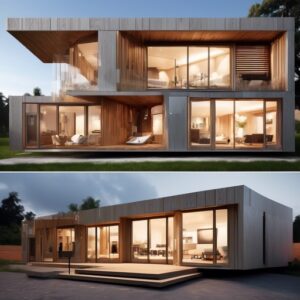
Prefabricated (prefab) buildings are becoming increasingly popular due to their efficiency, sustainability, and cost-effectiveness. As a prefab building company, tapping into this growing market requires a robust marketing strategy that resonates with potential customers and highlights the unique advantages of your services. Marketing for prefab buildings involves creating awareness, educating the market, and establishing credibility in an industry that, while rapidly expanding, still faces skepticism from certain segments of potential customers. In this article, we’ll explore proven strategies and techniques to effectively market your prefab building company, from digital marketing channels to on-the-ground community engagement.
Define Your Target Audience
Understanding who your ideal clients are is the cornerstone of any marketing strategy. Prefab building companies typically serve a diverse audience that may include homeowners, businesses, real estate developers, and government agencies. Each audience segment has unique motivations and concerns.
Homeowners and Residential Buyers: Appeal to the cost savings, quick construction times, and eco-friendly aspects.
Commercial Clients: Emphasize scalability, durability, and the potential for customization in commercial applications.
Real Estate Developers and Government Projects: Highlight the efficiency, regulatory benefits, and sustainability advantages that prefab construction offers for large-scale projects.
Establish Your Brand Identity
In a competitive market, a strong brand identity is essential. Your brand should reflect the unique values and strengths of your company.
Develop a Memorable Logo and Slogan: A professional logo and a catchy slogan can help customers remember your brand.
Define Your Brand’s Voice and Visual Style: Are you modern and sleek or sustainable and eco-focused? Let your style reflect this.
Create a Consistent Message Across Platforms: Consistency in communication, color schemes, and tone helps build trust.
Build an Informative, SEO-Optimized Website
Your website is often the first point of contact with potential customers. Ensure that it is:
User-Friendly and Visually Engaging: Use high-quality images of your projects to showcase the quality of your prefab buildings.
SEO-Optimized: Utilize keywords like “modular buildings,” “prefab homes,” “affordable prefab construction,” and location-specific terms to rank higher in search engines.
Mobile Responsive: A significant amount of traffic is mobile-based, so make sure your site is mobile-friendly.
Content-Rich: Include informative blogs, client testimonials, project galleries, and a comprehensive FAQ section to address common questions and concerns.
Utilize Content Marketing
Content marketing allows you to demonstrate expertise and build trust with your audience.
Educational Blog Posts: Write blogs on topics like “The Benefits of Prefab Construction,” “How Prefab Homes Save Costs,” and “The Future of Sustainable Building.”
E-books and Guides: Offering downloadable content on “A Complete Guide to Prefab Buildings” can attract leads.
Video Marketing: Video content, including customer testimonials, project walk-throughs, and time-lapse videos of building projects, is highly engaging and effective for demonstrating quality and efficiency.
Case Studies and Success Stories: Share detailed stories about completed projects to showcase your expertise and successful track record.
Leverage Social Media Marketing
Social media is an effective channel for engaging with a wide audience and sharing compelling visuals of prefab projects.
Platform Selection: Focus on visual-heavy platforms like Instagram, Pinterest, and LinkedIn. LinkedIn is especially valuable for connecting with commercial clients.
Consistency and Engagement: Post consistently and engage with your audience by responding to comments and messages promptly.
Use Hashtags Wisely: Use relevant hashtags like #PrefabHomes, #ModularConstruction, and #SustainableBuilding to reach a wider audience.
Run Paid Ads: Paid social ads, particularly on Facebook and Instagram, allow you to target specific demographics.
Invest in Pay-Per-Click (PPC) Advertising
PPC ads can help generate immediate traffic to your website and create brand awareness.
Google Ads: Target keywords related to prefab buildings, modular homes, and sustainable construction.
Retargeting Campaigns: Use retargeting ads to reach users who have visited your website but haven’t converted.
Bing Ads for B2B: If your audience includes B2B clients, consider advertising on Bing, as it’s often overlooked yet effective in targeting commercial clients.
Email Marketing for Lead Nurturing
Email marketing is an excellent way to maintain a connection with prospective clients and provide updates on new projects, promotions, and industry trends.
Build an Email List: Use opt-in forms on your website to collect email addresses.
Create a Drip Campaign: A series of automated emails that educate potential customers about the benefits of prefab construction can help nurture leads.
Send Regular Newsletters: Update subscribers with recent projects, industry insights, and company news.
Network and Attend Industry Events
Face-to-face networking can significantly enhance your credibility and create valuable partnerships.
Attend Trade Shows and Conferences: Participate in events like Greenbuild Expo and Modular Building Institute’s Annual Convention.
Sponsor Local Events: Sponsoring events related to sustainable building or real estate can build brand awareness.
Engage with Local Chambers and Associations: Connections with local business associations can lead to referrals.
Establish Strategic Partnerships
Form partnerships with related businesses and influencers to expand your reach.
Collaborate with Architects and Designers: By partnering with architects and designers, you can gain referrals and reach clients interested in custom prefab solutions.
Influencer Marketing: Collaborate with influencers in the home and architecture industry to showcase your projects.
Partnership with Real Estate Agents and Developers: A partnership with real estate agents can help you reach potential homebuyers who may be interested in prefab solutions.
Build Trust with Customer Testimonials and Reviews
Social proof can significantly influence purchasing decisions.
Request Customer Reviews: Encourage satisfied clients to leave reviews on Google, Yelp, and industry-specific sites like Houzz.
Showcase Testimonials on Your Website and Social Media: Highlighting positive feedback can reassure new prospects.
Share Before-and-After Photos: Visual evidence of your work builds credibility and allows customers to see the quality of your projects.
Focus on Sustainability and Green Building Certifications
As prefab buildings are often marketed as eco-friendly alternatives, emphasizing sustainability can attract a growing audience of environmentally conscious buyers.
Highlight Sustainable Practices: Showcase your eco-friendly materials, energy-efficient designs, and waste reduction practices.
Earn Green Certifications: Certifications like LEED or Energy Star can be a valuable marketing tool, particularly for commercial clients and government projects.
Monitor and Measure Results
Constantly evaluating the performance of your marketing strategies is essential for improvement.
Use Analytics Tools: Track website traffic, conversion rates, and customer engagement to assess the success of various campaigns.
Set Measurable Goals: Define KPIs such as website traffic increase, leads generated, or social media engagement rates.
Adapt and Adjust: Regularly update and optimize your strategies based on insights from your analytics.
Conclusion
Marketing a prefab building company requires a multi-faceted approach that combines digital outreach with relationship-building. By clearly defining your target audience, establishing a strong brand identity, and leveraging both online and offline strategies, you can attract potential clients and grow your business. Prefab buildings offer unique advantages, and by effectively communicating these benefits through thoughtful, strategic marketing, your company can become a leading player in the prefab industry. Remember, consistency, adaptability, and a focus on delivering real value to customers are key components for long-term success.