

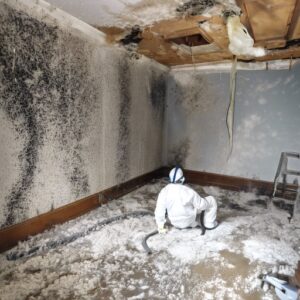
In the humid climate of Charleston, SC, mold growth is a common issue for homeowners and businesses alike. As a mold remediation business, having a professional, informative, and user-friendly website is essential to capture local leads, establish credibility, and provide solutions to potential clients’ mold problems. A well-designed website serves as your business’s online storefront, giving visitors crucial information about your services, educating them on mold-related risks, and encouraging them to take action by contacting you for mold removal services.
Building a website that effectively markets your mold remediation services can seem like a daunting task, but with careful planning and execution, it can significantly boost your business. In this blog post, we’ll walk you through the process of building a mold remediation website, from design to content creation, ensuring it’s optimized for the Charleston market.
Understanding the Charleston Market and Audience
Before diving into website creation, it’s crucial to understand the local market. Charleston, SC, is known for its hot, humid climate and frequent storms, which make properties prone to mold infestations. The target audience for a mold remediation business in this region includes:
- Homeowners dealing with post-hurricane flooding.
- Commercial property managers overseeing large facilities prone to mold due to humidity.
- Renters or landlords needing mold assessments for legal or health reasons.
Understanding these pain points will allow you to tailor your website’s content to address local concerns directly.
Choosing the Right Platform for Your Website
The foundation of your website starts with selecting the right platform. Popular options include:
WordPress: One of the most widely used platforms due to its flexibility and customizability. With WordPress, you can install themes and plugins designed specifically for home service businesses, making it easy to add service descriptions, contact forms, and even online booking.
Wix or Squarespace: These are user-friendly, drag-and-drop builders perfect for business owners who want a straightforward and affordable way to build a website without technical knowledge.
Shopify: If you plan to sell products related to mold remediation (like dehumidifiers or mold detection kits), Shopify could be a great option as it has built-in e-commerce functionality.
After choosing the platform, ensure that your website is responsive, meaning it works well on both desktop and mobile devices, as many of your visitors may access your site from smartphones.
Website Design: Creating a Professional Look
Your website should immediately communicate professionalism, trust, and expertise. For a mold remediation business, clean design and intuitive navigation are key.
Colors and Branding: Use a clean, minimalist design with colors that convey cleanliness, trust, and safety. For example, green and blue hues often represent cleanliness and health, making them ideal for a mold remediation website.
Simple Navigation: Ensure your site has easy-to-understand navigation with a clear menu that includes:
-
- Home
- Services
- About Us
- Contact
- Blog or Resources
- FAQs
- Testimonials or Reviews
High-Quality Imagery: Use before-and-after images of mold remediation projects, along with professional photos of your team and equipment. Visuals are powerful tools for demonstrating your expertise and building credibility.
Call-to-Action (CTA) Buttons: Prominently place CTAs like “Get a Free Estimate,” “Call Now,” or “Request a Mold Inspection” on the homepage and service pages. These buttons should stand out and guide users toward taking action.
Crafting Engaging and Informative Content
Content is at the heart of your website, and it serves multiple purposes: informing your audience, helping your website rank well in search engines, and converting visitors into customers. Here’s how to approach content creation for a mold remediation business:
Homepage Content: Your homepage is the first impression many visitors will have of your business. Include a concise introduction of your company, your mold remediation services, and why Charleston residents should choose your business. Highlight key selling points such as your experience, certifications, and rapid response times.
Service Pages: Dedicate individual pages for each of your mold remediation services. For instance, you might have pages for:
- Mold Inspection
- Mold Removal
- Water Damage Restoration
- Air Quality Testing
- Post-Remediation Verification
On each page, detail what the service entails, why it’s important, and how your process solves the problem. Include case studies or testimonials to reinforce trust.
Local SEO Content: Since you’re targeting Charleston, SC, include localized keywords throughout your website. For example, use terms like “Charleston mold removal,” “mold remediation in South Carolina,” or “mold inspection Charleston SC.” Writing about local weather patterns or specific issues in Charleston homes can also resonate with your audience and improve search visibility.
Educational Blog: Establish yourself as an authority by regularly publishing blog content related to mold prevention, remediation tips, and updates on local mold-related issues. Articles like “How to Prevent Mold Growth After Charleston Hurricanes” or “The Health Risks of Mold Exposure in Charleston” can attract local traffic.
Optimizing for SEO (Search Engine Optimization)
SEO is critical for ensuring that your website ranks well in search engine results pages (SERPs), especially for local searches like “mold remediation Charleston SC.” Here’s how to optimize your site:
On-Page SEO: Use relevant keywords in titles, meta descriptions, headers, and throughout the content on each page. Ensure that every page is focused on a specific service or topic, making it easier for search engines to index your content.
Local SEO: Claim and optimize your Google My Business listing. Make sure your website is listed in local directories and that your name, address, and phone number (NAP) are consistent across all platforms. Embed a Google map on your contact page showing your business location to signal to Google that you’re a local business.
Technical SEO: Ensure your website loads quickly, as page speed is an important ranking factor. Additionally, make sure your site is mobile-friendly, as Google prioritizes mobile usability.
Backlinking: Earn backlinks from reputable sources like local news sites, home improvement blogs, or professional associations. This signals to Google that your site is credible and worth ranking higher.
Incorporating User-Friendly Features
Your mold remediation website needs to be easy to use and functional to convert visitors into clients. Consider adding the following features:
Online Booking System: Allow visitors to book a mold inspection or consultation directly from your website. This can streamline lead generation and make it more convenient for potential clients to contact you.
Live Chat: Install a live chat feature to answer questions from potential customers in real-time. This is particularly useful if people need immediate assistance after discovering mold.
Testimonials and Reviews: Showcase reviews from satisfied customers, which can significantly influence new visitors. Encourage clients to leave feedback on platforms like Google, Yelp, and Facebook, then display this on your site.
FAQ Section: Create a dedicated FAQ page to address common questions about mold remediation services, pricing, timelines, and health concerns related to mold exposure. This not only provides valuable information but also boosts SEO.
Legal Pages and Certifications
To establish trust and transparency, include essential legal and trust-building pages:
Privacy Policy: Clearly explain how customer data will be used and protected.
Terms of Service: Outline your service terms and policies.
Certifications and Licenses: Display relevant certifications, such as from the Institute of Inspection, Cleaning and Restoration Certification (IICRC) or the Environmental Protection Agency (EPA). This reassures customers of your professionalism and qualifications.
Tracking and Analytics
Once your website is live, you’ll want to track its performance to see what’s working and where improvements are needed. Set up Google Analytics to monitor:
- Website traffic
- Bounce rates
- Conversion rates
- Visitor demographics
- Behavior flow (how users navigate your site)
This data can guide you in refining your content, SEO strategy, and overall website design.
Conclusion
Building a mold remediation Charleston SC website, is a strategic process that requires thoughtful design, relevant content, and search engine optimization to attract local leads. By creating a user-friendly site that speaks directly to the needs of Charleston residents and property managers, you can position your business as the go-to mold remediation expert in the area.
Your website should not only look professional but also provide valuable information, making it easier for potential customers to understand their mold problems and trust you to fix them. With the right platform, engaging content, and a solid SEO strategy, your mold remediation website can be a powerful tool for growing your business in Charleston’s competitive market.